 Preferred Store:
 My Account Sign-In





Sign-up for {N}power to get exclusive discounts, newsletters, members-only features, and more!
When you hear the words “Mediterranean diet,” piles of colorful fruits and vegetables, golden olive oil, and crispy grilled fish shimmering in the Tuscan sun may come to mind. Or maybe you think of its status as an “anti-aging” or longevity diet.1 And it does support healthy aging, in part by reducing chronic inflammation and oxidative damage, but now researchers are discovering a new way in which the Mediterranean supports good health—by boosting levels of tiny protective proteins produced by mitochondria that influence healthy aging and chronic disease risk.
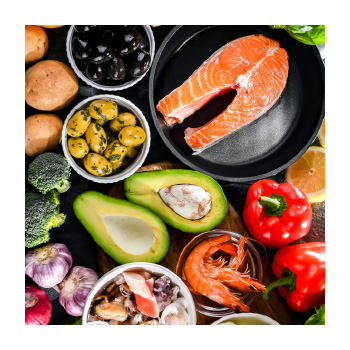
A 2026 study2 from Italy analyzed the diets of 49 older adults with a heart condition and found that those who more closely followed a traditional Mediterranean diet had higher levels of two of these key mitochondrial microproteins, called humanin and SHMOOSE. While researchers are still exploring exactly what role they play in health, early findings suggest that they are involved in some of the same processes associated with the benefits of the Mediterranean diet. For example, in previous research, humanin was linked to protective effects on the cardiovascular system, in part by limiting excess oxidative stress and inflammation. Meanwhile, SHMOOSE has been associated with markers of healthy brain aging.
The researchers also assessed the importance of individual foods for their effect on these microproteins. Lower intake of refined bread and higher intake of fish, olive oil, and legumes stood out as specific foods associated with higher microprotein levels. While larger studies are needed to see if these findings apply more broadly, this new connection adds another layer to our understanding of why the Mediterranean diet has long been associated with healthy aging and longevity—and suggest that these tiny mitochondrial messengers may be an important part of the story.
Modern exposure to a wide-variety of chemicals, pollutants, and an abundance of ultra-processed foods has led to the rise of a silent epidemic of poor liver health in this country—roughly one-third of U.S. adults currently live with some form of liver disease.3 As our primary detoxification organ, the liver is responsible for neutralizing a continuous influx of metabolic waste and environmental toxins, but when the toxic load becomes too heavy, managing it can trigger excessive inflammation and oxidative damage in liver cells—primary drivers of liver damage.
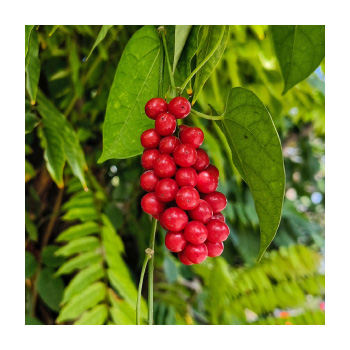
A recent review and meta-analysis published in Frontiers in Pharmacology suggests schisandra (Schisandra chinensis)—an adaptogenic herb used for more than 2,000 years in Traditional Chinese Medicine—may protect the liver against today’s many stressors. The meta-analysis evaluated 54 controlled experiments comparing the effects of schisandra extract to placebo in animal models of liver injury caused by drugs, alcohol, or chemical toxins.
The researchers found that compared to controls, schisandra and its constituents significantly reduced key markers of liver damage and decreased the production of pro-inflammatory compounds. It was also shown to reduce oxidative stress in liver tissue by scavenging free radicals and boosting the body’s production of the powerful antioxidants superoxide dismutase (SOD) and glutathione. The study concluded that schisandra acts as a powerful defense against liver injury by promoting liver repair and preventing cell death.4
While this specific review was limited to animal models, schisandra has been well-tolerated in human clinical studies, establishing it as a promising therapeutic candidate for supporting liver health.

Sign-up for {N}power to get exclusive discounts, newsletters, members-only features, and more!