 Preferred Store:
 My Account Sign-In





Sign-up for {N}power to get exclusive discounts, newsletters, members-only features, and more!
It’s called the “silent killer” because it has no overt symptoms, which leaves many people unaware they have it. Hypertension—high blood pressure—is a serious and common condition, with recent data reporting that nearly half of U.S. adults have it.1 Hypertension is also becoming increasingly common among young adults and can predict a major cardiovascular event later in life.2 3
Hypertension is a major risk factor for stroke and heart disease, including heart failure and heart attack. Left untreated, it can also damage delicate blood vessels throughout the body, leading to kidney disease, dementia, vision loss, and sexual dysfunction.4
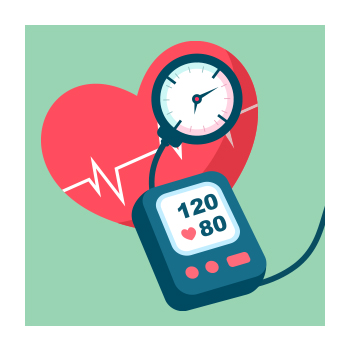
The good news is that high blood pressure is modifiable—it can be controlled—and death from the condition is preventable. The key is knowing your numbers (normal blood pressure is below 120/80 mm Hg) and staying proactive to keep your numbers in check.
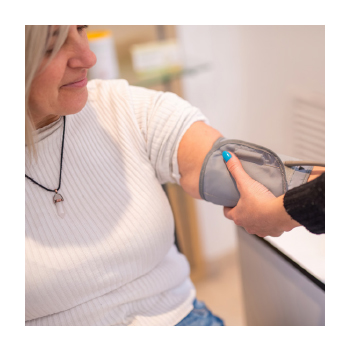
When you get a blood pressure reading, what do those numbers mean? The first number is your systolic pressure, or the pressure that occurs as blood pumps out of the heart and into your blood vessels. The second, or diastolic pressure, is when your heart rests between beats. High blood pressure is when the force of your blood pushing against the walls of your blood vessels is consistently too high. Elevated blood pressure (now considered stage one hypertension) is 120-129/80 mm Hg, while stage two hypertension is 130-139/80-89 mm Hg.5

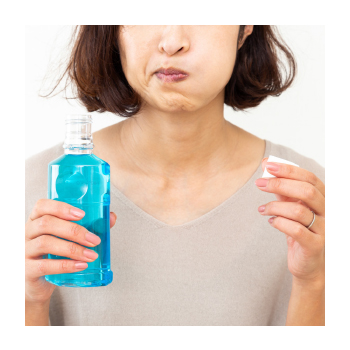
Some of the common risk factors for developing hypertension include excess weight, lack of physical activity, a diet heavy in ultra-processed foods and sugar (especially fructose), excessive alcohol consumption, smoking, and low levels of nitric oxide, which naturally fall with age. Frequent mouthwash use is also linked to high blood pressure. Research published in 2020 found that “frequent regular use of over-the-counter mouthwash was associated with increased risk of hypertension, independent of other] major risk factors…”6 One study also found that using mouthwash negated the blood-pressure lowering effects of exercise.7 Clinical trials have shown that antibacterial mouthwash depletes the oral bacteria that help the body produce nitric oxide, decreasing overall nitric oxide availability in the body. Nitric oxide is critical for regulating blood pressure.
African Americans are also at a higher risk. According to the American Heart Association, the prevalence of high blood pressure in African Americans is among the highest in the world and develops earlier in life.8 One observational study found that by the age of 25, hypertension among African American men and women was nearly twice that of their white counterparts.9 And recent research from Northwestern University found that over the course of one year, African American men had a 43 percent higher rate of death from heart failure, while African American women had a 54 percent higher death rate from heart failure compared to other racial groups. “This heart failure trend is another manifestation of the undertreatment of hypertension,” senior study author and cardiologist Sadiya Khan, MD said. “Know your blood pressure and make sure it’s being well managed and well-treated.”10
Managing high blood pressure is possible—and you can do it with lifestyle interventions. Reduce your intake of sugar and ultra-processed foods, especially high-fructose corn syrup, which has been independently associated with higher blood pressure, even in adults with no previous history of hypertension.11 If you still drink soda, make it a goal to significantly slash your intake—even one sugar-sweetened soda a day has been shown to increase blood pressure.12 Eat an abundance of potassium-rich vegetables and fruit to maintain a healthy sodium-potassium balance. Move your body regularly. This doesn’t have to mean rigorous workouts at the gym; something as simple as a daily walk is sufficient. If you are a heavy drinker, work to cut back your alcohol intake. If you smoke, you know what to do. And if you have high blood pressure and use mouthwash, it’s probably a good idea to give it up. Adopt small healthy habits and they will coalesce into big changes for your health!
In addition to healthy lifestyle habits, certain vitamins and nutrients are proven to support healthy blood pressure.
Nitric oxide (NO) is a molecule that is naturally produced by the body and is crucial for regulating blood pressure; diminished production is associated with hypertension, other cardiovascular dysfunction, and erectile dysfunction.13 NO has a number of important functions, including promoting blood vessel flexibility and vasodilation, both of which help maintain normal blood pressure, as well as reducing oxidative stress, another driver of hypertension. Beetroot is rich in dietary nitrate, which the body converts to NO. One recent review investigated 11 studies to examine the relationship between beetroot juice and blood pressure and concluded, “This easily found and cheap dietary intervention could significantly decrease the risk of suffering cardiovascular events and, in doing so, would help to diminish the mortality rate associated with this pathology. Hence, beetroot juice supplementation should be promoted as a key component of a healthy lifestyle to control blood pressure in healthy and hypertensive individuals.” Studies have shown that 250 mL to 500 mL of beetroot juice daily is effective in reducing blood pressure.14 15 16 17 18 19 Beetroot crystals and powder supplements are also an effective way to increase NO production.20
These two powerful polyphenols have been well researched, particularly in the area of vascular health. They have a unique chemical structure that allows them to easily pass through cell membranes, making them more bioavailable compared to some other types of polyphenols.21 They have been shown to improve circulation; increase NO production; protect the inner lining of blood vessels, the endothelium, from oxidative damage; and increase vasodilation.2223 24 These qualities make them a top choice for supporting healthy blood pressure.
Research using both grape seed extract and Pycnogenol, or pine bark extract, has shown that they improve “flow-mediated dilation,” a measure of the blood vessels’ ability to relax in response to increased blood flow, which means better blood pressure.25 26 27 28 A placebo-controlled study published in 2025 found that 600mg of grape seed extract taken daily for seven days in young men (18-30 years) with elevated, or stage one, hypertension, lead to a decrease in diastolic blood pressure and average arterial pressure. The researchers noted that the reductions were related to grape seed extract’s ability to improve vasodilation and concluded that long-term supplementation with grape seed extract may prevent elevated/stage one hypertension from progressing into stage two hypertension.29
Studies have consistently shown that low blood levels of vitamin D are linked to hypertension. One study found that men and women with vitamin D levels of 15 ng/mL or less had a three to six times increased risk of developing hypertension over a four-year period compared to those with levels of 30 ng/mL or higher.30 Other research has found that increasing vitamin D levels with supplementation lowers blood pressure.31 A study investigating the effects of vitamin D supplementation on 250 African American men and women found that for each 1 ng/mL increase in blood levels of vitamin D, there was a drop in systolic blood pressure. Doses were given at 1,000; 2,000; or 4,000 IUs daily for three months, with the most significant decreases found in those taking 4,000 IUs.32 It is worth noting that African Americans are particularly at risk of developing a vitamin D deficiency because darker skin reduces natural vitamin D production.33 It’s important to have your levels checked and aim to maintain levels between 40-80 ng/mL.34
Drinking three cups of hibiscus tea every day can be an enjoyable and easy way to reduce blood pressure. A study published in The Journal of Nutrition, including 65 pre- and mild hypertensive adults, had the participants drink three eight-ounce servings of hibiscus tea or a placebo daily for six weeks. At the end of the study, there was an improvement in both systolic and diastolic pressure in those drinking the tea, compared to the placebo group. The most improvement was seen in systolic pressure and in those participants who had higher blood pressure to begin with.35 A recent analysis of five studies investigating the effect of hibiscus tea on blood pressure confirmed that the tea had a significant effect on lowering systolic and diastolic blood pressure.36
Hypertension is a serious health issue that cannot be ignored, but it can be controlled. Know your numbers and take the necessary actions to keep them in check. Your long-term health depends on it!
Sign-up for {N}power to get exclusive discounts, newsletters, members-only features, and more!