 Preferred Store:
 My Account Sign-In





Sign-up for {N}power to get exclusive discounts, newsletters, members-only features, and more!
Stress. Sometimes it’s insidious, creeping up on you while you’re sitting in traffic, causing your blood pressure to rise and your jaw to clench. Or it can hit you like a ten-ton truck, such as in the event of becoming unemployed or a sudden illness, knocking you off your feet and leaving you feeling like you may never recover. No matter how it comes, it always comes—stress is part of the human experience. And while periods of stress are perfectly normal, and dare I say healthy, chronic stress or stress overload can lead to real mental and physical harm.
Humans are hardwired to deal with stress—it’s called the “fight-or-flight” response. When you are faced with a stressful event, the adrenal glands—small glands that sit on top of the kidneys—release stress hormones, including adrenaline and cortisol. These hormones increase blood pressure and heart rate, slow digestion, increase blood sugar, and suppress the immune system. In an acute stress situation, this is an advantage—the surge of stress hormones helps you mentally and physically deal with the event at hand. But chronic stress overload causes the stress response system to stay switched on, and over time, the constant release of the adrenal hormones, especially cortisol, which suppresses digestive and immune functions and increases blood sugar, throws the body out of balance and can lead to major health problems.1
Chronic stress effects every major system in the body and can lead to anxiety, depression, digestive problems, insomnia, high blood pressure, blood sugar imbalance, decreased immunity, and memory impairment.2
But stress is inevitable, so the question remains, how do we protect ourselves?
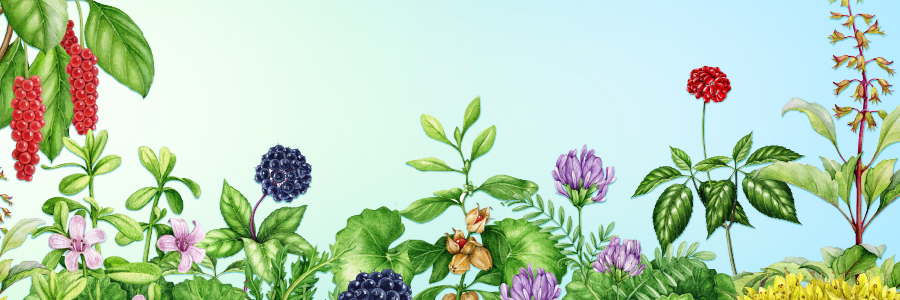
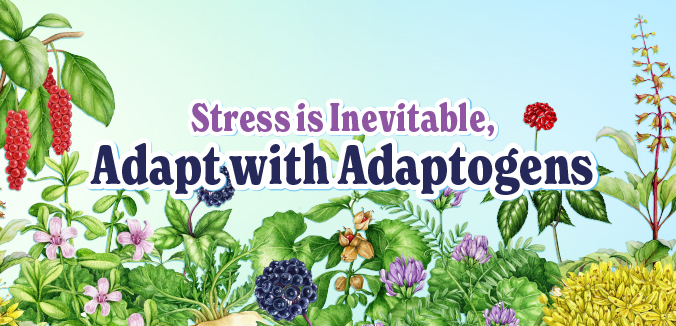
In addition to adopting healthy lifestyle habits to manage stress, adaptogens are one of the best tools we have to shield our bodies from its negative effects. Adaptogens are plant-derived compounds that do exactly what they say: they help the body adapt to stress, including physiological, psychological, and environmental stress. They are both protective and restorative, buffering stress and supporting whole-body health. Many of them have been used in traditional healing systems around the world for thousands of years, and modern research has confirmed their health-promoting abilities.
While each has its own unique modes of action, one thing adaptogens have in common is that they support balance in the body’s stress response system, the “hypothalamic-pituitary-adrenal axis,” or the HPA axis (i.e., the thing that drives our fight-or-flight response). Research has also found that adaptogens can affect gene expression, downregulating or upregulating specific genes connected to mood, chronic inflammation, metabolic disorders, neurodegenerative and cognitive impairment, cardiovascular disease, and cancer.3 In short, all adaptogens support the body during times of stress via regulation of the HPA axis and influencing gene expression, but each one has its own specific benefits, from sleep to blood sugar support. Read on to discover which one(s) are right for you!
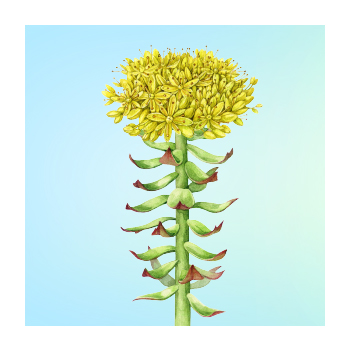
Purportedly used by the Vikings to enhance strength and stamina and used by the Inuit people for infections, fatigue, and mental and physical rejuvenation,4 rhodiola is native to arctic regions in Canada, Scandinavia, and Siberia. Rooted in traditional use, modern science has found that rhodiola is one of the best adaptogens for mental fatigue and burnout. One placebo-controlled study, including 60 people between the ages of 20 and 55 years old with chronic fatigue, found that daily supplementation with 576 mg of standardized rhodiola extract exerted an “anti-fatigue effect that increases mental performance, particularly the ability to concentrate, and decreases cortisol response to awakening stress in burnout patients with fatigue syndrome.”5 Other research has confirmed rhodiola’s effect on improving mental fatigue and burnout symptoms (fatigue, apathy, mood changes, changes in eating and sleeping habits)6: A trial including 118 people experiencing burnout symptoms took 400mg of a standardized rhodiola extract daily for 12 weeks. Those taking the rhodiola had improvements in measures of fatigue, mental exhaustion, and “lack of joy,” with some benefits seen as early as week one, with continuing improvement over the course of the 12 weeks.7 Other research has shown that rhodiola supports mental performance during demanding situations, like heavy work or academic loads, or in high-stress jobs.8 9 10
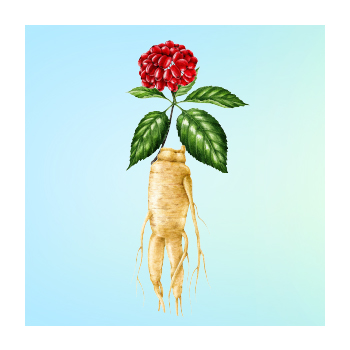
If you’re feeling depleted from stress from head to toe, look to ginseng. Both American and Asian ginseng are considered “true” ginsengs because they belong to the Panax genus; “Panax” is derived from Greek roots meaning “all-healing,” and indeed, ginseng does have whole-body healing—and energizing—effects. Native to China, Korea, and the Eastern United States, ginseng has been shown to reduce cortisol, blood glucose, and triglycerides during times of chronic stress, as well as promote healthy vascular function.11 12 It also appears to support healthy immune function: One study found that 400mg of American ginseng, taken daily for four months, significantly reduced the number of colds subjects contracted, and in those subjects who caught a cold, ginseng reduced both the severity of symptoms and the duration.13 Finally, studies have found that 1-2 grams of ginseng daily improves fatigue in people with unexplained chronic fatigue and in postmenopausal women.14 15 16
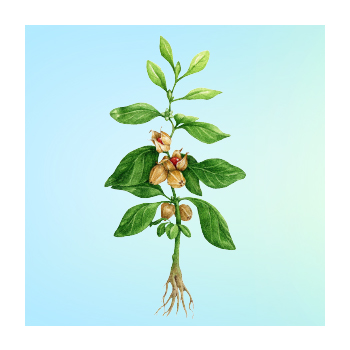
If stress has you wound up and desperately seeking sound sleep, then ashwagandha may be the adaptogen for you. This Ayurvedic herb has a history of more than 4,000 years of use in its native India, Pakistan, and Sri Lanka and roughly translates from Sanskrit to the “smell and strength of a horse,” referring to the root’s distinctive smell and its ability to support strength, stamina, and fertility. These days, ashwagandha is often used for its calming, anti-anxiety, and sleep-promoting effects—even its botanical name, Withaniasomnifera, Latin for “sleep making,” alludes to its sleep supporting effects. A 2024 meta-analysis of five randomized-controlled trials found that ashwagandha (doses ranged from 500 to 1,000mg daily for six to 10 weeks) significantly reduced anxiety scores and improved sleep latency (the time it takes to fall asleep), sleep time, sleep efficiency, and self-reported sleep quality.17 Note: While ashwagandha has calming and sleep-promoting effects, it is not sedating and typically does not cause drowsiness.
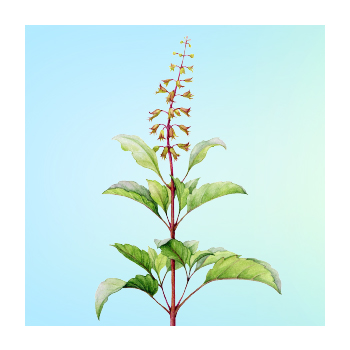
Native to India and Southeast Asia, and long used in Ayurvedic medicine, holy basil is often referred to as the “queen of herbs.” Also commonly called tulsi, this adaptogen has shown to be supportive of a healthy mood (especially in those with anxiety) and cognitive function. A study including men and women with generalized anxiety disorder found that 500mg of holy basil, twice daily for 60 days, significantly reduced anxiety as well as stress and depression related to anxiety.18 Animal studies have also demonstrated that holy basil reduces stress-induced anxiety and depression. In addition to modulating the stress response, researchers propose that holy basil can enhance the production of feel-good neurotransmitters like dopamine and serotonin.1920 When it comes to healthy cognitive function, a study including 44 healthy men found that 300mg of holy basil extract for 30 days led to improvements in tasks related to short-term memory, mental flexibility, and attention and focus.21
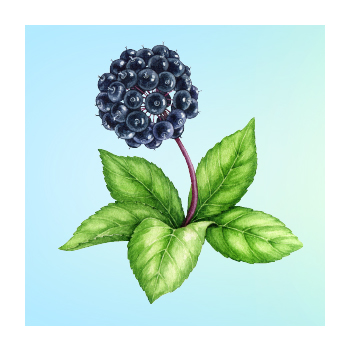
Also called “Siberian ginseng” (but not in the Panax genus, therefore, not a “true” ginseng), eleuthero is native to Siberia, northern China, and Korea. This is a gentle adaptogen, and its mild effects make it a good choice to take for long-term stress support. Eleuthero has also been approved by the European Medicines Agency (the equivalent of our FDA) for the treatment of symptoms of asthenia, or a “profound lack of physical strength, energy, or vigor.”22 Finally, research has highlighted its effects on healthy aging. One study involving postmenopausal women found that supplementing with 500mg of eleuthero extract three times a day for six months improved blood lipid levels, reduced indicators of oxidative stress, a driver of accelerated aging, and significantly reduced damage to immune cells (damaged and dysfunctional immune cells are also related to accelerated aging).23
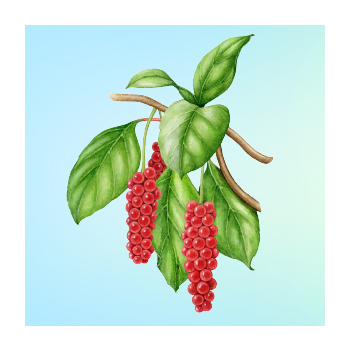
This plant, native to China, first gained recognition as an adaptogen by Soviet scientists who studied the effects of the plant during the 1940s and 1950s. Schisandra has been shown to be protective against a wide array of environmental stressors, including heat shock, skin burns, frostbite, and heavy metal intoxication, to increase endurance and mental performance, and to support healthy levels of nitric oxide (important for cardiovascular health) and cortisol.24 Animal research shows that schisandra appears to decrease protein breakdown and increase protein synthesis, while also having an anti-inflammatory and antioxidant effect on skeletal muscle fibers. It’s also been found to improve muscle strength. A recent placebo-controlled human study, including 45 healthy post-menopausal women, found that 1,000mg of schisandra extract daily for 12 weeks led to improvements in quadricep strength, with the researchers concluding, “We believe that schisandra extract is a health supplement that can support healthy life in this population.”25 A separate placebo-controlled study including 54 adults over the age of 50 had participants take 1,000mg of schisandra daily for 12 weeks; all participants were also required to walk for 30 to 60 minutes for at least four days a week. At the end of the study, the participants’ muscle strength was evaluated via knee extension exercises; those who took the schisandra saw greater improvements in knee extensor strength compared to the placebo group.26 Schisandra’s effect on muscle strength in older people is notable because this group is at an increased risk of muscle mass loss and muscle weakness, which can negatively affect quality of life.
In sum, adaptogens are supportive plant allies that have a protective and balancing effect on the whole body in the face of stress. They may be taken individually or in combination, depending on your unique needs. Think of how stress manifests in your body and try some of these well-researched adaptogens to find the right ones for you.
Cho, Y. H., Lee, S. Y., Lee, C., Park, J., & So, Y. S. (2020). Effect of Schisandra chinensis Baillon extracts and regular low-intensity exercise on muscle strength and mass in older adults: a randomized, double-blind, placebo-controlled trial. American Journal of Clinical Nutrition, 113(6), 1440–1446. https://doi.org/10.1093/ajcn/nqaa447
Sign-up for {N}power to get exclusive discounts, newsletters, members-only features, and more!