 Preferred Store:
 My Account Sign-In






Sign-up for {N}power to get exclusive discounts, newsletters, members-only features, and more!
Calling all bread bakers! All cake and cookie makers! Tis the season for baking and indulging with loved ones, which calls for a few choice ingredients to make it even more scrumptious. And if there was just one basic ingredient to bring the magic to life, it would be organic flour.
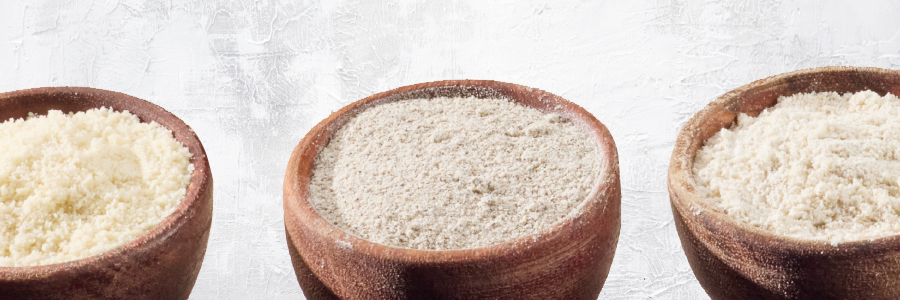
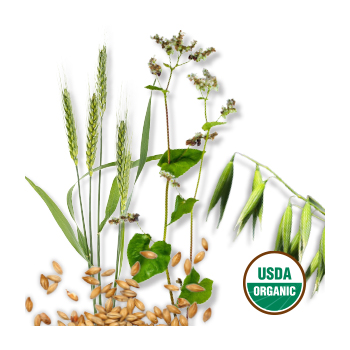
What do rice, oats, wheat, almonds, and chickpeas have in common? They can all be ground into flours! While we’re mostly talking about wheat flours here, it’s important to remember that organic matters when it comes to gluten-free flours, too. For example, rice and oats are two of the most commonly sprayed crops with the herbicide glyphosate.1 The Environmental Working Group found glyphosate in 95 of oat-based products they tested, and in all of the wheat-based products they tested.2 The International Agency for Research on Cancer (IARC) classified glyphosate as a “probable carcinogen” back in 2015 and it has since been shown to increase risk of non-Hodgkin lymphoma by 41 percent.3 4 When it comes to any type of flour, choosing organic makes a significant difference in reducing your exposure to pesticide residues.5
While avoiding pesticides and keeping it GMO free are important reasons for choosing organic, there’s even more to appreciate. To make both conventional and organic white flour the bran and germ are removed in the milling processes, but this is where the similarities in processing methods end. Conventional flour is then bleached with chemicals like benzyl peroxide (BPO) and chlorine gas to speed up the aging process and increase shelf-life.6 Potassium bromate is also commonly added (this is referred to as “bromated”) to enhance the rise of the dough when baking; all of these chemicals further degrade any remaining nutrients, like vitamins E and A.7
Additionally, bleaching agents leave behind residues linked to organ damage and generate potentially carcinogenic compounds, like alloxan, from chlorine dioxide.8 BPO has been shown to adversely impact liver health in animals and is potentially carcinogenic.9 Furthermore, animal studies have found that it may harm antioxidant status and break down certain nutrients in foods, including essential fatty acids.10 These issues with BPO and chlorine gas have resulted in multiple countries banning their use, including the European Union and China.
Organic flour, on the other hand, is never bleached. Instead, a natural aging process is used to make it white. Organic standards also prohibit the use of potassium bromate, which is banned in many places around the world because it has been linked to kidney and liver damage in animal studies11 12 and, according to the IARC, is a possible human carcinogen. As it bakes, most of the potassium bromate disappears; however, if too much bromate is added or flour-based goods don’t bake for long enough or at a high enough temperature, it can remain in your baked goods.13 In the US, potassium bromate is only banned in California, with several other states considering doing the same.14 15
Agriculture is one of the biggest contributors to global greenhouse gas (GHG) emissions. Fortunately, organic farming methods can make a huge impact and even help to build carbon sinks, where carbon in the atmosphere is pulled back into the soil. One study on the potential of organic methods like crop rotation and sheep grazing (to eat weeds instead of spraying them with toxic pesticides) to combat climate change16 found that organic wheat farming and grazing reduced net greenhouse gas emissions significantly, especially when wheat was rotated with sweet clover cover crops, which help to draw CO2 back into the soil. Who knew choosing organic flour could help fight climate change?!17 18

This basic recipe can be used for sweet or savory fillings. Naturally gluten free, buckwheat flour shines in this simple recipe for crêpes. Go savory with ham and cheese, or for a sweet treat, combine the earthy, nutty flavor of buckwheat with fruit and chocolate—a classic combination. Simple, versatile, and delicious, this is a recipe you’ll want to save!
Sign-up for {N}power to get exclusive discounts, newsletters, members-only features, and more!