 Preferred Store:
 My Account Sign-In







Sign-up for {N}power to get exclusive discounts, newsletters, members-only features, and more!
You are what you eat. We all know that phrase, and sometimes it feels like a “told you so,” but what if I told you that what you eat today, specifically the type of carbs you eat, really does influence how well you age and can boost your mood? Emerging science suggests exactly that: A study published in 2025 shows that the quality of the carbs you eat in midlife increases your odds of aging with strong physical health, sharp cognition, and overall wellbeing.1 The keyword is quality. We’re not talking about any old carbs—we’re specifically referring to vegetables—non-starchy ones are the most powerful, followed by fruits, legumes, and whole grains.
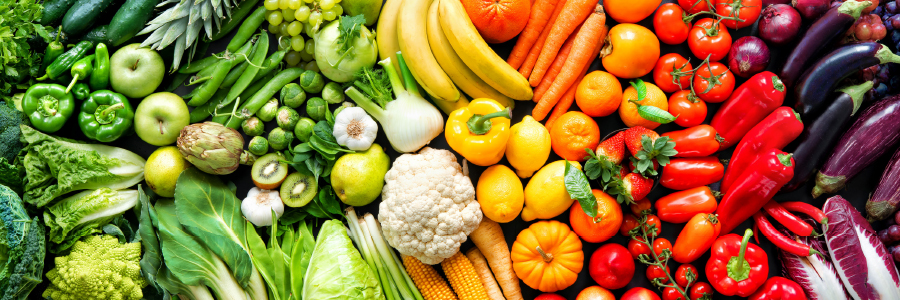
There are numerous reasons why veggies are all-stars when it comes to both healthy aging and everyday wellbeing. Check out these four benefits:

A large study published in 2025, including 47,513 women, found that consuming high-quality, high-fiber carbs in midlife predicted healthier aging, including lower risk of chronic diseases, cancer, type-2 diabetes, heart failure, and cognitive decline. In contrast, diets high in low-quality carbs significantly reduced the odds of staying healthy with age. The researchers defined high-quality carbs as vegetables (excluding potatoes), fruit (excluding fruit juice), whole grains, and legumes. Low-quality carbs were defined as refined grains, processed potatoes (e.g., potato chips), and added sugars. The researchers concluded that, “…intakes of high-quality carbohydrates and dietary fiber were associated with positive health status in older adulthood, suggesting that dietary carbohydrate quality may be an important determinant of healthy aging.”2
They also noted that dietary carbs account for about half of all energy intake in the average American diet, with the majority (42%) coming from refined carbohydrates, while very little (8%) comes from high-quality carbs, like vegetables. One thing is clear: We all need to eat more veggies—they are the holy grail of high-quality carbs.
Veggies are naturally high in fiber, which is keyfor stabilizing blood sugar, supporting metabolic health, and feeding beneficial gut bacteria. A recent study on patients with type-2 diabetes found that switching to a high-fiber diet improved gut microbiota-boosting species like Lactobacillus, Bifidobacterium, and Akkermansia, while reducing opportunistic pathogens.3
Fill your plate with fiber-rich vegetables—like leafy greens (spinach, kale, collards, Swiss chard), cruciferous veggies (broccoli, cauliflower, Brussels sprouts, cabbage), peppers, zucchini, asparagus, green beans, carrots, and beets— to feed beneficial gut bacteria, stabilize blood sugar, and support overall metabolic health.4
The study including diabetics mentioned earlier revealed that type-2 diabetes was associated with gut microbiota dysbiosis, which was associated with depression and anxiety. Researchers noted that “significant improvement in depression and anxiety moods were observed in the treatment group by the uptake of more diverse carbohydrates in the diet.”5
But it doesn’t stop there. Large epidemiological studies show that eating more fruits and vegetables is associated with more happiness, greater life satisfaction, and improved wellbeing. In fact, adults who increased their vegetable and fruit intake over a two-year period (an increase of eight portions per day) experienced a measurable rise in happiness—comparable to the emotional boost of becoming employed after a period of joblessness.6
Additionally, vegetables can influence day-to-day emotional wellbeing, and part of this effect seems to stem from the gut-brain axis. When you nourish your gut—also known as the body’s “second brain”—by eating diverse plant fibers, beneficial bacteria produce neurotransmitters like serotonin that support mood regulation.7
In one study, young adults ages 18–25 who ate more raw veggies and fruits reported more energy, positive mood, life satisfaction, motivation, and daily feelings of flourishing.8 According to this study, the top 10 raw foods related to better mental health were carrots, bananas, apples, dark leafy greens like spinach, grapefruit, lettuce, citrus fruits, fresh berries, cucumber, and kiwifruit.
Who knew quality carbs could also help you live happier?
Unlike refined carbohydrates that create spikes and crashes in blood sugar, complex carbs like non-starchy vegetables provide slow-burning, steady energy that supports focus and cognitive clarity. Their antioxidants, vitamins, minerals, and phytonutrients nourish neural pathways and reduce inflammation—both essential for brain longevity.9
Studies show diets rich in leafy greens and cruciferous vegetables are linked to slower cognitive decline in aging adults. Nutrients found in vegetables, like folate, carotenoids, flavonoids, and anti-inflammatory compounds, help protect neurons and support healthy brain aging.10 In one five-year study of dementia-free participants (average age 81), those with the highest daily consumption of leafy greens (1.3 servings/day) had slower cognitive decline—equivalent to being 11 years younger—compared to the lowest consumers (0.09 servings/day).11 12
Brain fog, be gone! Non-starchy, fiber-rich vegetables digest slowly, releasing glucose gradually rather than causing rapid spikes. Research shows that low-glycemic (GI) meals, built on high-fiber vegetables and fewer processed carbohydrates, stabilize blood sugar and insulin, reducing the highs and lows that can lead to fatigue or mental fog. Studies comparing meals with different GI values have found significant improvements in cognitive function after consuming low-GI meals.13 According to research, “avoiding peaks and troughs in circulating glucose is thought to be associated with better cognitive function and lower risk of cognitive impairments in the longer term.”14

By filling your plate with fiber-rich vegetables you’re not just supporting your long-term healthspan, you’re boosting your daily energy, mood, and mental clarity. Science shows that these quality carbs stabilize blood sugar, nourish your gut and brain, and help you feel vibrant. So, it turns out you really are what you eat!
If you’re not sure where to start with your diet, the Natural Grocers’ Regenivore Meal Wheel is an excellent starting point. Take it a step further and meet with an in-store Nutritional Health Coach (NHC). Natural Grocers’ NHCs can help you select the right foods for you, personalize your choices, and make simple swaps that add up to big benefits—empowering you to take charge of your health!
Sign-up for {N}power to get exclusive discounts, newsletters, members-only features, and more!