 Preferred Store:
 My Account Sign-In






Sign-up for {N}power to get exclusive discounts, newsletters, members-only features, and more!
When genetically modified organisms (GMOs) were first introduced in the mid-90s, they were marketed with a host of promises, from helping farmers deal with weeds and pests, to solving world hunger. Yet in the past 30 years, GMOs have raised more questions and concerns than solutions.
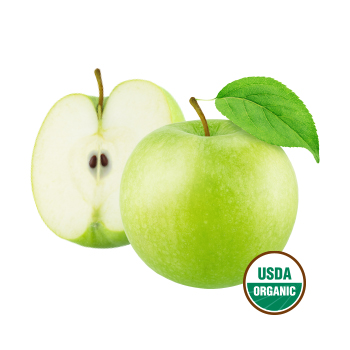
For thousands of years, humans have changed certain qualities in plants through selective breeding, grafting, manual cross-pollination, and more. These processes play with the natural world to enhance particular qualities: bigger, seedless varieties, more climate resilient, etc. GMOs are a different ballgame altogether. They are made in a lab by injecting genes from one species into another to change its genetic makeup. The organism that results from these modifications would be impossible to obtain naturally through crossbreeding or any other natural process. There are a number of crops in the US considered high risk for being genetically-modified, including corn (93 percent of corn grown in the US is GM), soy, cotton, canola, alfalfa, apple, papaya, potato, sugar beet, and zucchini.1
The trouble is that GMOs are regulated as conventional crops, not as genetically modified. This means there are “minimal restrictions and no necessary safety assessment” on how these genetic “edits” impact human and environmental safety in the short or long term.2 GMOs are considered “generally recognized as safe” by the FDA, despite a lack of proper peer-reviewed testing or scientific consensus. In fact, much of the safety information available on GMOs is created by the very companies that make them.3
If GMOs weren’t insidious enough when it comes to regulatory loopholes and avoiding labeling, GMO 2.0s are even worse. Rather than injecting a plant with the DNA of another species, genes are edited, silenced, or otherwise manipulated through processes known as CRISPR, RNAi, and others.4 Because of the new ways genes are eliminated or changed, they may not technically be recognized by the FDA as genetically modified and therefore can avoid being labeled as such—they can even be labeled as “natural.” This type of genetic engineering creates a crop that has never existed before; we simply do not know the long-term safety impacts for human consumption. Many of this new generation of GMOs are still being tested or are not yet widely available, but some have made their way into conventional grocery stores, including non-browning potatoes.5
According to The Non-GMO Project, the risks GMOs pose to the environment are “unpredictable, irreversible, and profound.”6
There is no scientific consensus on the safety of genetically-modified foods and they are leading to widespread ecological damage.9 But you do have a choice! Organic standards prohibit any GMOs, including the new generation 2.0—when you choose organic, your food is free from GMOs, always.
Sign-up for {N}power to get exclusive discounts, newsletters, members-only features, and more!