 Preferred Store:
 My Account Sign-In






Sign-up for {N}power to get exclusive discounts, newsletters, members-only features, and more!
“Eat the rainbow!” We’ve all heard this (very good) dietary advice, but have you ever thought about why color is so important? It’s the phytonutrients! These compounds give plants their color, but they also provide protection from pests, diseases, and other environmental stressors; built-in defense systems, if you will. Phytonutrients also appear to provide similar protections to humans when we eat them or take them as supplements, promoting health and reducing the risk of chronic disease. You’ve probably heard of flavonoids, polyphenols, and carotenoids—these are all types of phytonutrients—but then there are some that aren’t as familiar, like oligomeric proanthocyanidins, or OPCs.

OPCs are a very specific type of polyphenol found in high concentrations in grape seeds and certain types of pine bark (Pycnogenol® is a trademarked name). They have a unique chemical structure that allows them to easily pass through cell membranes, making them more bioavailable compared to some other types of polyphenols, contributing to their powerful health effects.1 With antioxidant activity 50 times greater than vitamin C,2 they protect cells from oxidative damage and have a special affinity for the blood vessels, helping to strengthen the arteries, veins, and capillaries, reducing the risk of a myriad of health problems that may arise from a weak or damaged vascular system, from the uncomfortable (hemorrhoids) to the serious (stroke).
Through their positive effects on the vascular system, OPCs support whole-body health, from cardiovascular and brain health to skin health. Read on to get to know your OPCs!
These health issues may seem worlds apart, but they all arise from dysfunction in the vascular system, the body’s network of blood vessels, and this is where OPCs really shine. OPCs’ powerful antioxidant effects, along with their anti-inflammatory actions, make them uniquely suited to support vascular health. They have been shown to improve circulation; reduce the occurrence of blood clots; protect the inner lining of blood vessels, the endothelium, from oxidative damage; and strengthen blood vessel walls by inhibiting the breakdown of collagen and elastin, major structural components that give blood vessels their strength and elasticity.3 4 5
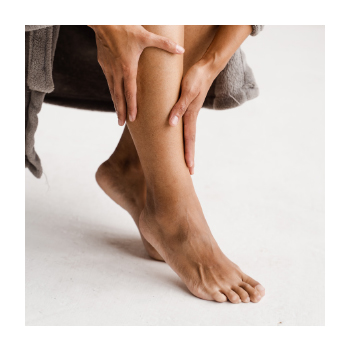
One of the most well-documented uses of OPCs is in people with venous insufficiency, a condition in which blood pools in the legs, causing aching pain, heaviness, swelling, and varicose veins.6 7 One placebo-controlled study including 40 patients with chronic venous insufficiency found that 100mg of Pycnogenol three times daily for two months significantly reduced heaviness, swelling, and leg discomfort and/or pain associated with venous insufficiency. Approximately 60 percent of the patients taking Pycnogenol “experienced a complete disappearance of edema … and pain at the end of treatment, while almost all the patients reported a reduction in leg heaviness…”8
Even in healthy people, sitting for long periods of time can lead to swelling and discomfort in the legs. Research has found that grape seed extract reduced leg swelling in healthy women with self-reported swelling due to long periods of sitting at work (six hours)9 and that Pycnogenol taken before, during, and after a long flight, led to significantly less swelling in the legs in people with a mild to moderate risk of developing a blood clot, compared to placebo.10
A study published late in 2025 investigated Pycnogenol’s effect on lipedema, which mostly affects women and is characterized by abnormal fat accumulation in the legs, accompanied with swelling, heaviness, pain, bruising, and tenderness. And while not life threatening, it has physical and emotional impacts and can negatively affect mobility and self-esteem. This placebo-controlled trial included 93 women who were diagnosed with lipedema. Half of the women took 50mg of Pycnogenol every eight hours, while the other half took a placebo. At the end of 60 days, the women taking the Pycnogenol experienced a significant reduction in lipedema-related symptoms, including pain and tenderness, bruising, heaviness and fatigue, swelling, and skin irritation and itching, while the placebo group saw worsening symptoms. The researchers concluded, “As a result of the improvement in each symptom, there was a substantial enhancement in the patients’ quality of life, positively reflecting on their own overall well-being and self-esteem.”11
In general, OPCs support overall vascular function, blood vessel tone and strength, and circulation, leading us to their cardiovascular benefits…
With their powerful effects on the vascular system, OPCs’ benefits naturally extend to the cardiovascular system. Along with their ability to strengthen blood vessels, improve circulation, and reduce inflammation and oxidative damage, OPCs have also been shown to reduce atherosclerotic plaque and support healthy blood pressure.12

Research using both grape seed extract and Pycnogenol, or pine bark extract, has shown that they improve “flow-mediated dilation,” a measure of the blood vessels’ ability to relax in response to increased blood flow, which means better blood pressure. One way in which OPCs have this effect is their ability to increase nitric oxide (NO) in the blood vessels. NO is a molecule that relaxes and widens blood vessels and is anti-inflammatory—it is critical for healthy blood pressure and overall cardiovascular health.13 14 15 16
In one two-year study, researchers investigated the effects of grape seed extract on carotid artery plaque and thickening of the artery wall (signs of atherosclerosis, aka, “hardening of the arteries”). The study included 287 people who were divided into two groups: the first group were instructed to take 200mg of grape seed extract daily for two years, while the control group were enrolled in a lifestyle intervention program (e.g., diet, exercise). All of the participants had signs of plaque in their carotid arteries and abnormal thickening of the carotid artery wall. The participants had ultrasound measurements of this artery when the study began and again at six, 12, and 24 months.
By the end of the study, people taking grape seed extract saw significant decreases in the development of plaque in their carotid arteries, as well as significant decreases in carotid artery thickness, with the benefits increasing over the course of the study (there was a 10.9% decrease in plaque at six months; a 24% decrease at 12 months, and a 33% decrease at 24 months). The people taking the grape seed extract also saw “lower rates of clinical vascular events.”17
Just as OPCs’ vascular effects extend to the cardiovascular system, so to, do they extend to the brain, which requires healthy blood flow for delivering oxygen and nutrients to brain cells for optimal functioning. That, combined with OPCs’ antioxidant and anti-inflammatory effects make them a no-brainer for brain health, no matter what your age. Research on OPCs’ effects on the brain ranges from general cognition to attention-deficit hyperactivity disorder (ADHD).

Multiple studies have found that Pycnogenol improves overall cognitive function in healthy adults of all ages. A study including college students (ages 18-27) found that 100mg of Pycnogenol daily for eight weeks led to significant improvements in sustained attention, memory, decision making, and mood compared to the control group. The results translated to better performance on exams.18 In a separate study, a group of middle-aged professionals (ages 35-55) who had high measures of oxidative stress were given 150mg of Pycnogenol daily for 12 weeks. At the end of the study, participants taking the Pycnogenol experienced improvements in mental performance and memory, improvements in alertness, anxiety, and feelings of contentment, as well as a significant reduction in oxidative stress.19 Finally, a third study investigated Pycnogenol’s effect on cognitive function in healthy older adults (ages 55-70), also with high measures of oxidative stress. After 12 months of taking 100mg of Pycnogenol every day, participants saw a significant improvement in measures of cognitive function, including memory, decision making, and attention span, and a significant decrease in oxidative stress (oxidative stress decreased by about 28%).20
Recent studies have investigated whether OPCs may provide support for children with ADHD, with positive results. A 2021 study gave kids with ADHD either 25mg or 50mg of pine bark extract daily for four weeks (doses based on weight). Compared to the placebo, the pine bark extract significantly improved teacher-rated inattention and impulsiveness,21 while a 2022 study found that Pycnogenol, supplemented at either 20mg or 40mg daily (based on weight) for 10 weeks was as effective as a common ADHD medication in improving teacher-reported hyperactivity and impulsiveness, without the side effects common to the medication.22
When you have a healthy vascular system, it shows… through your skin. Technically our largest organ, our skin depends on the vascular system to deliver essential nutrients and oxygen, ensuring healthy, glowing skin. On the other hand, poor circulation can lead to dullness, dryness, and premature aging. By supporting optimal vascular function, OPCs naturally support healthy skin. But it goes deeper than that. With their powerful antioxidant capacity, OPCs also protect the skin against environmental stressors, like pollution and UV exposure, improve skin elasticity and hydration, and even out skin tone.
A 2021 study investigated the skin health effects of 100mg of Pycnogenol taken daily for 12 weeks by outdoor workers in China, with positive results. At the end of the trial, despite constant exposure to sun, air pollution, and changes in humidity and temperature, Pycnogenol helped maintain skin hydration, prevented trans-epidermal water loss (moisture loss via evaporation from the skin; also an indicator of skin barrier health), and improved skin elasticity in the workers. None of these effects were seen in the workers taking the placebo.23 Previous research in postmenopausal women found that Pycnogenol significantly improved skin hydration and elasticity by increasing the expression of an enzyme that produces hyaluronic acid, a molecule that acts like a sponge in the skin, holding water to keep it hydrated and plump, and promoting collagen synthesis.24
And the benefits to skin health just aren’t for the face: A 2025 study found that taking 150mg of Pycnogenol daily for three months significantly improved cellulite and skin smoothness in women with moderate cellulite. After three months of taking Pycnogenol, the women also had a reduction in upper thigh circumference (about 2cm), a larger reduction than typically observed in FDA-approved cellulite reduction treatments.25
OPCs are powerful phytonutrients that have a profound effect on whole-body health. Now that you know your OPCs, are you ready to see what they can do for you?
The leading types of OPC supplements—Pycnogenol and grape seed extract—contain different complexes of flavonoids and related polyphenol compounds, but because they possess similar biochemical activity, with only slight variations, it is widely accepted that both offer similar benefits.
Sign-up for {N}power to get exclusive discounts, newsletters, members-only features, and more!