 Preferred Store:
 My Account Sign-In





Sign-up for {N}power to get exclusive discounts, newsletters, members-only features, and more!
Here are some of our favorite recipes and reasons why we think supporting organic is better for your health, the environment, & the economy.
Click to jump down to the following sections:
Hold onto your recipe books, folks, because we’re about to uncover the shocking truth about the Environmental Working Group’s Dirty Dozen™! Picture this: a whopping 75% of non-organic fresh produce in the U.S. is loaded with potentially harmful pesticides. And here’s the kicker - it’s particularly troublesome for children, who are extra sensitive to the harmful effects of pesticides.
The Dirty Dozen is the result of EWG’s thorough analysis of the USDA’s fruit and vegetable testing data, with over 54,000 samples tested. And guess what? Even after peeling, scrubbing, washing, and all that jazz, traces of different pesticides were found. Yikes!
Now don’t despair, because there’s a silver lining—when you buy organic you can still eat every fruit and veggie on the Dirty Dozen list without worry. Natural Grocers’ high produce standards and 100% organic only selection ensures that you won’t find these dirty little secrets on any produce you buy in our stores. We’ve curated this month’s recipe booklet around the clean, organic versions of the Dirty Dozen so that you can reclaim your plates and savor the goodness of nature, the way it was meant to be enjoyed!
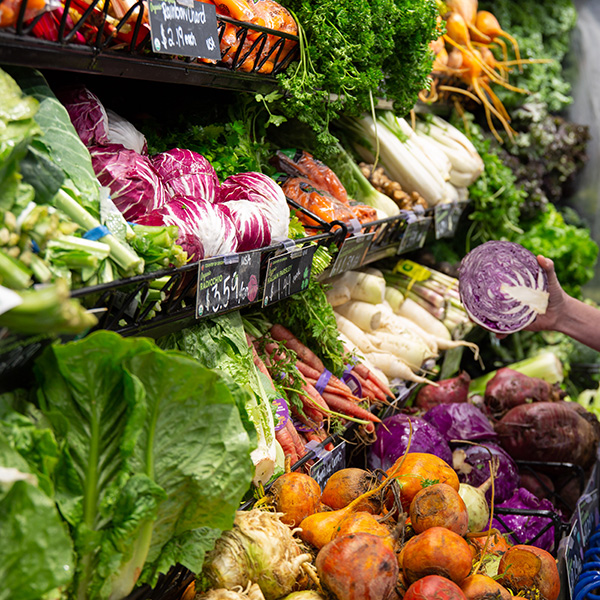
Every basket of strawberries, every bushel of apples, and every beet bunch in our produce department is 100% organic.
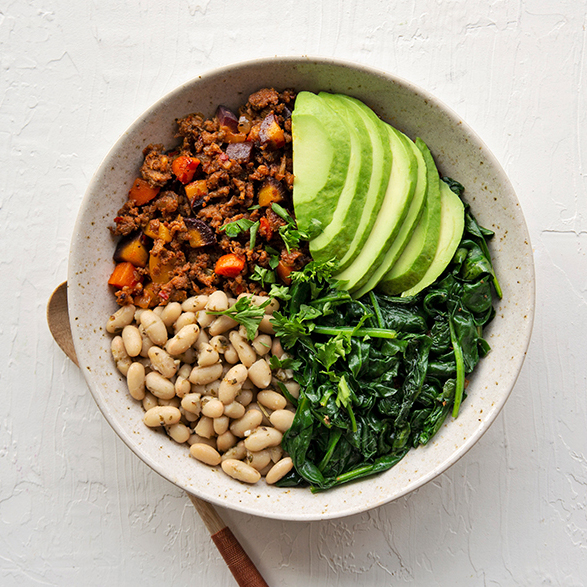
Spinach leaves are nature’s solar panels! Those deep green leaves are packed with chlorophyll that captures sunlight so efficiently, spinach can photosynthesize even in relatively low- light conditions where other leafy greens might struggle.
Get the Recipe: Chorizo, White Bean and Spinach Bowl
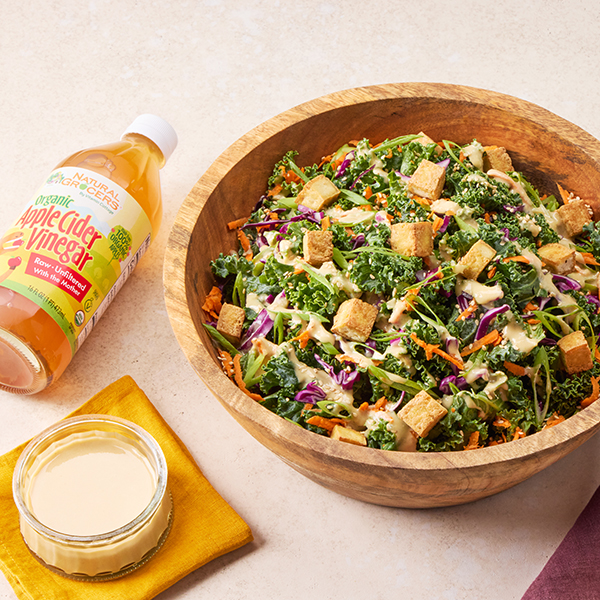
Kale is basically a superhero disguised as a leafy green! Just one cup of raw kale contains more vitamin C than an entire orange, more calcium than a glass of milk, and more iron than beef.
Get the Recipe: Chopped Kale Salad with Pan-Fried Tofu With Sesame Miso Ginger Dressing
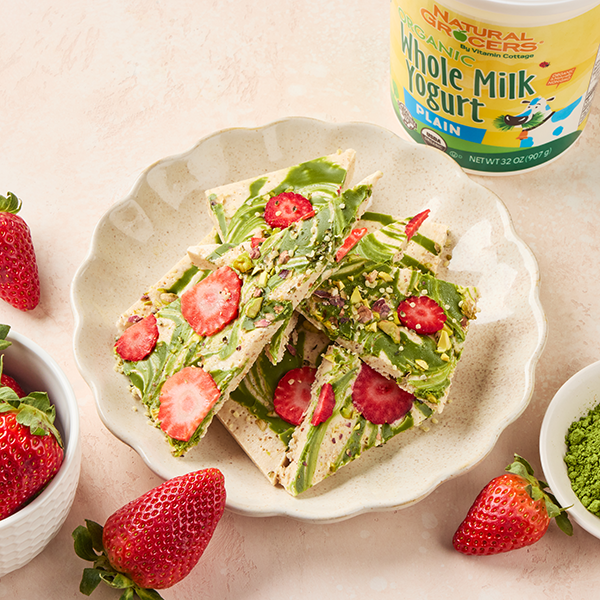
Here’s a berry surprising secret: Strawberries aren’t technically berries at all!
Botanically speaking, they’re considered “aggregate accessory fruits” because their seeds are on the outside, while bananas, grapes, and even eggplants are technically true berries.
Get the Recipe: Strawberry Matcha Latte Yogurt Bark
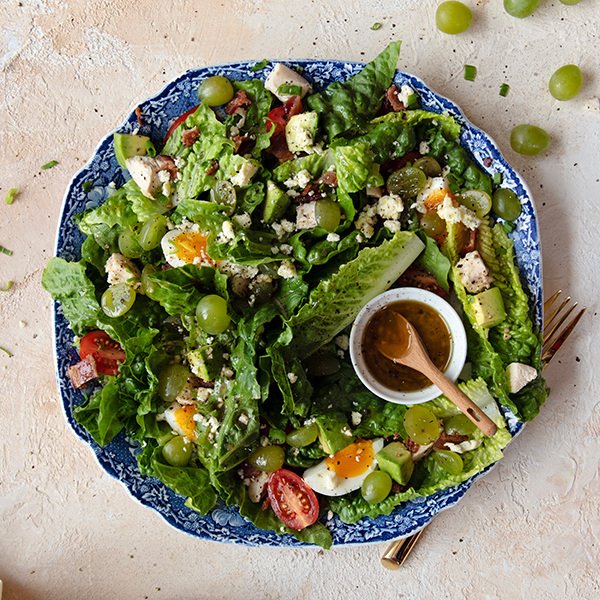
Grapes have their own built-in sunscreen! The waxy (powdery) coating on grape skins–called ‘bloom,’–acts as natural protection against UV rays and helps prevent moisture loss—so don’t wash it off until you’re ready to eat them.
Get the Recipe: California Cobb Salad with Grapes
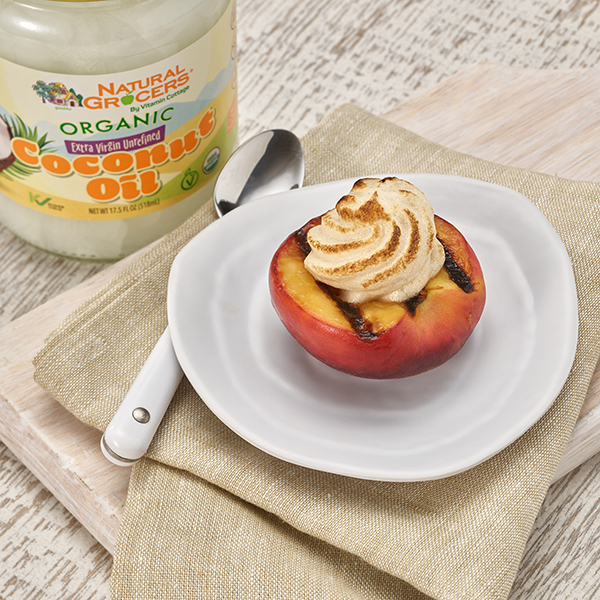
Peaches are fuzzy for a fantastic reason! That soft, velvety fuzz isn’t just adorable—it’s also the peach’s defense system that helps protect the fruit from insects and reduces water loss.
Get the Recipe: Grilled Peaches with Meringue
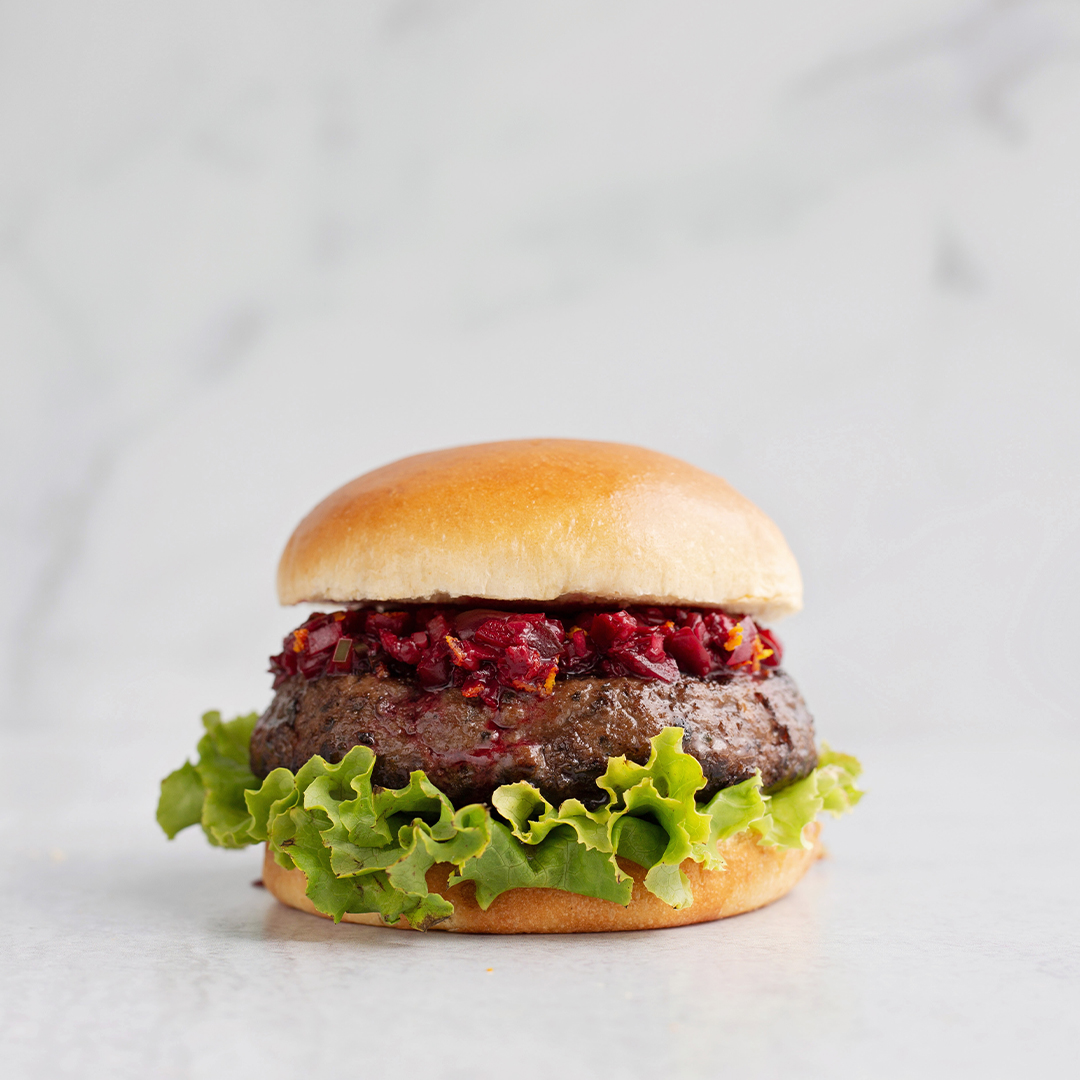
Cherries are nature’s little pH indicators! Sweet cherries prefer alkaline soil, while sour cherries thrive in acidic conditions– so you might be able to tell something about the soil quality just by tasting the cherries.
Get the Recipe: Cherry Surprise Burgers
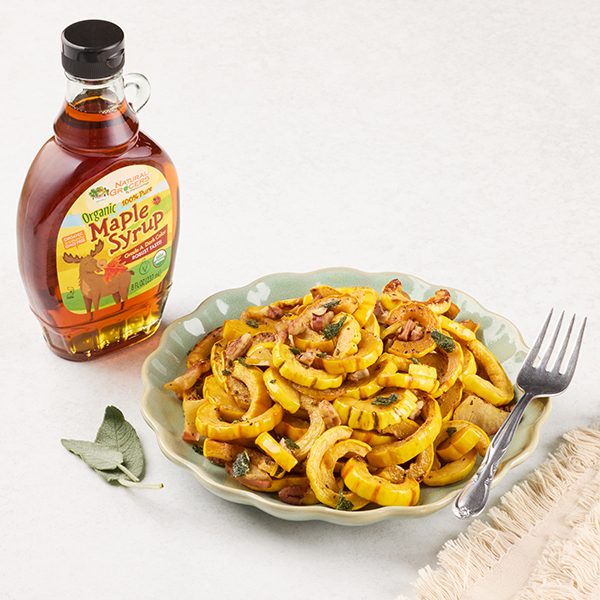
Apples are floating champions with a delicious secret! They float in water because they’re made up of about 25% air trapped in tiny pockets throughout the fruit, which also contributes to that satisfying crunch when you bite into one.
Get the Recipe: Roasted Delicata Squash with Apples
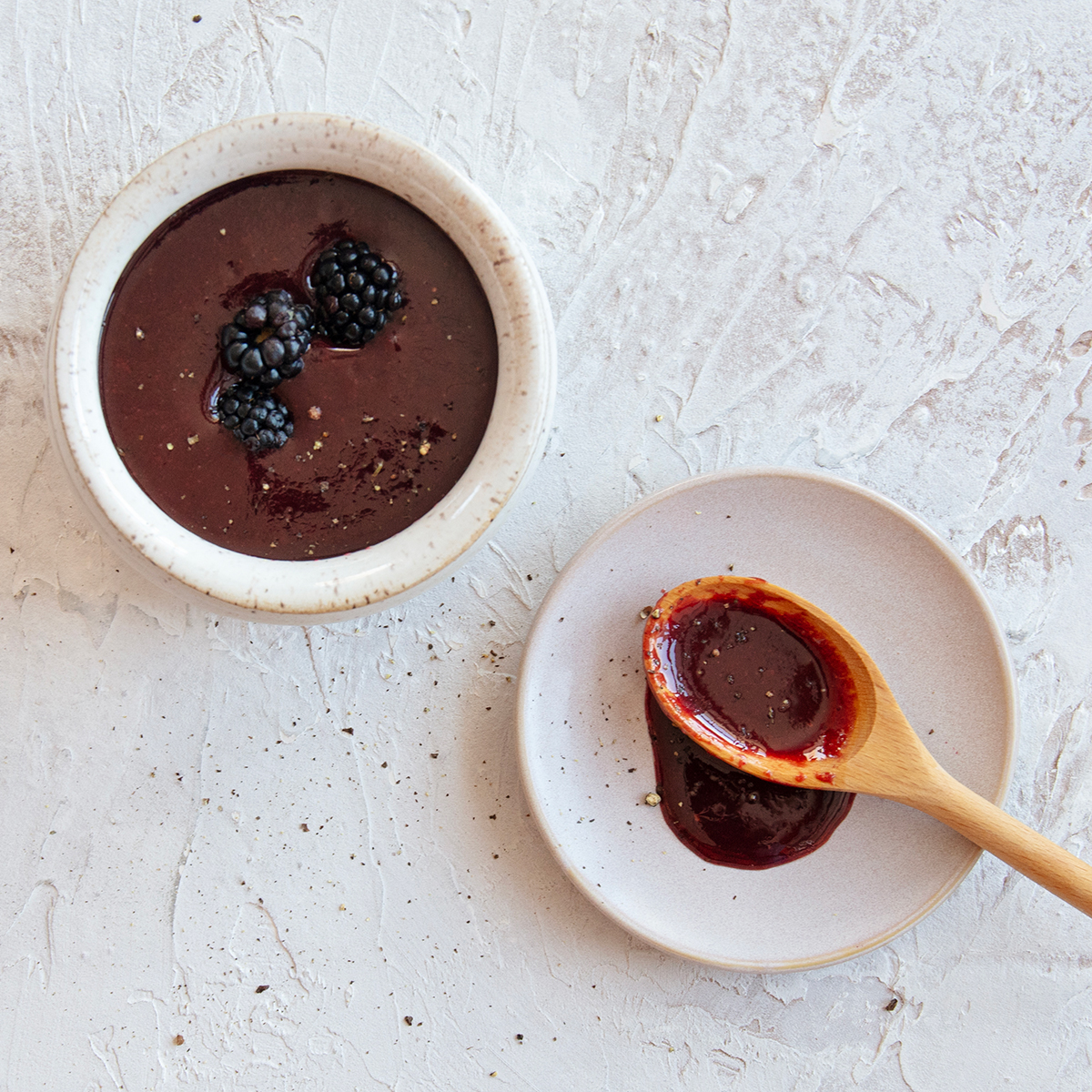
Blackberries are nature’s little treasure chests hiding a delicious secret! Each ‘blackberry’ is actually a cluster of tiny individual fruits called drupelets, with each one containing its own seed—so when you eat one blackberry, you’re really enjoying dozens of mini-fruits all bundled together.
Get the Recipe: Blackberry Balsamic Dressing
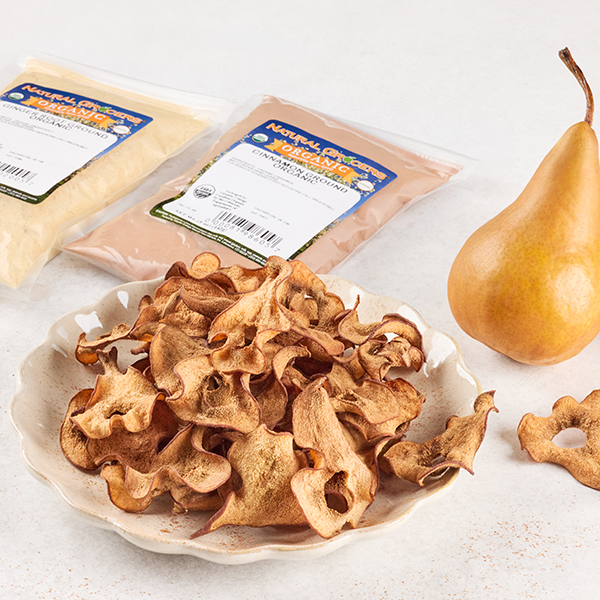
Pears are the ultimate multitaskers of the fruit world! They’re one of the few fruits that taste better when cooked, becoming sweeter and more aromatic as heat breaks down their cell walls and releases more natural sugars.
Get the Recipe: Cocoa Pear Chips
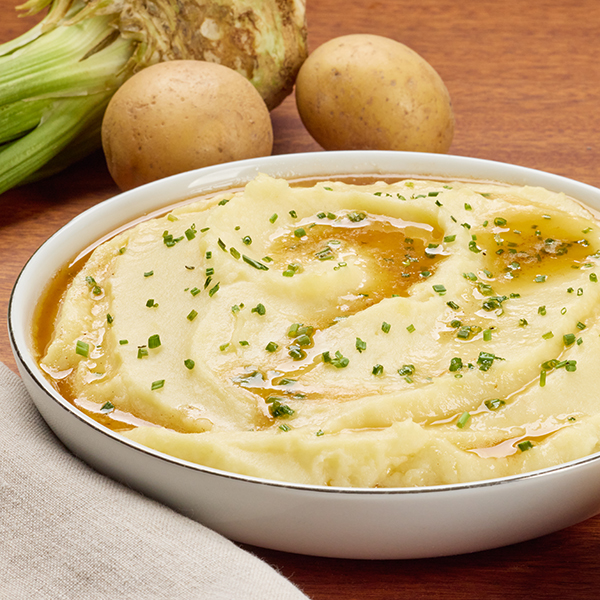
Potatoes are America’s undisputed vegetable champion! These versatile tubers claim the crown as the most consumed vegetable in the U.S., appearing on our plates in countless delicious forms—from crispy fries to creamy mashed potatoes to crunchy chips.
Get the Recipe: Mashed Potatoes with Celeriac and Brown Butter
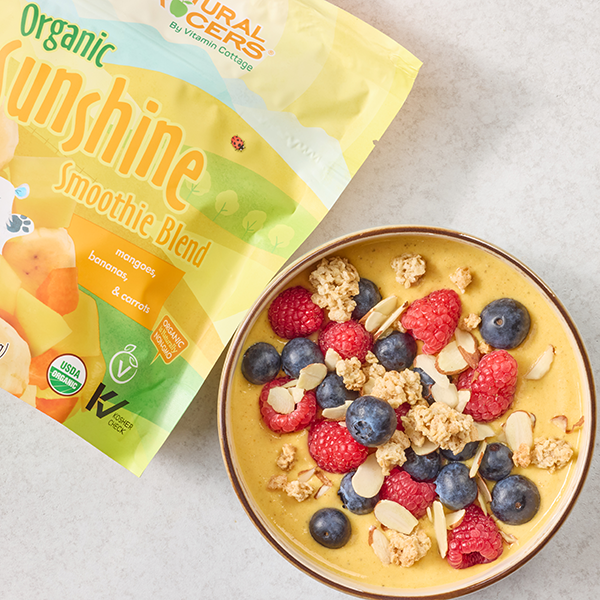
Blueberries are ancient superfruit survivors! These little blue powerhouses have been growing wild in North America for over 13,000 years, making them one of the oldest native fruits on the continent.
Get the Recipe: Spring Sunshine Smoothie Bowl
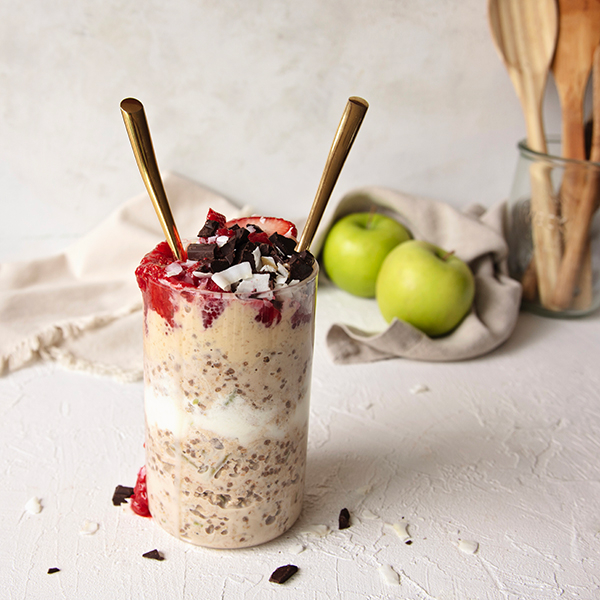
Apple trees are the ultimate commitment! Most apple varieties can’t pollinate themselves, so they need a completely different apple variety nearby to produce fruit–making every apple orchard a carefully planned matchmaking service.
Get the Recipe: Apple Pie Overnight Oats

Blueberries have a built-in freshness test! That silvery-white coating on fresh blueberries, called the ‘bloom,’ is nature’s way of showing you they’re at peak quality.
The more pronounced the bloom, the fresher the berry.
Get the Recipe: Blueberry Basil Limeade
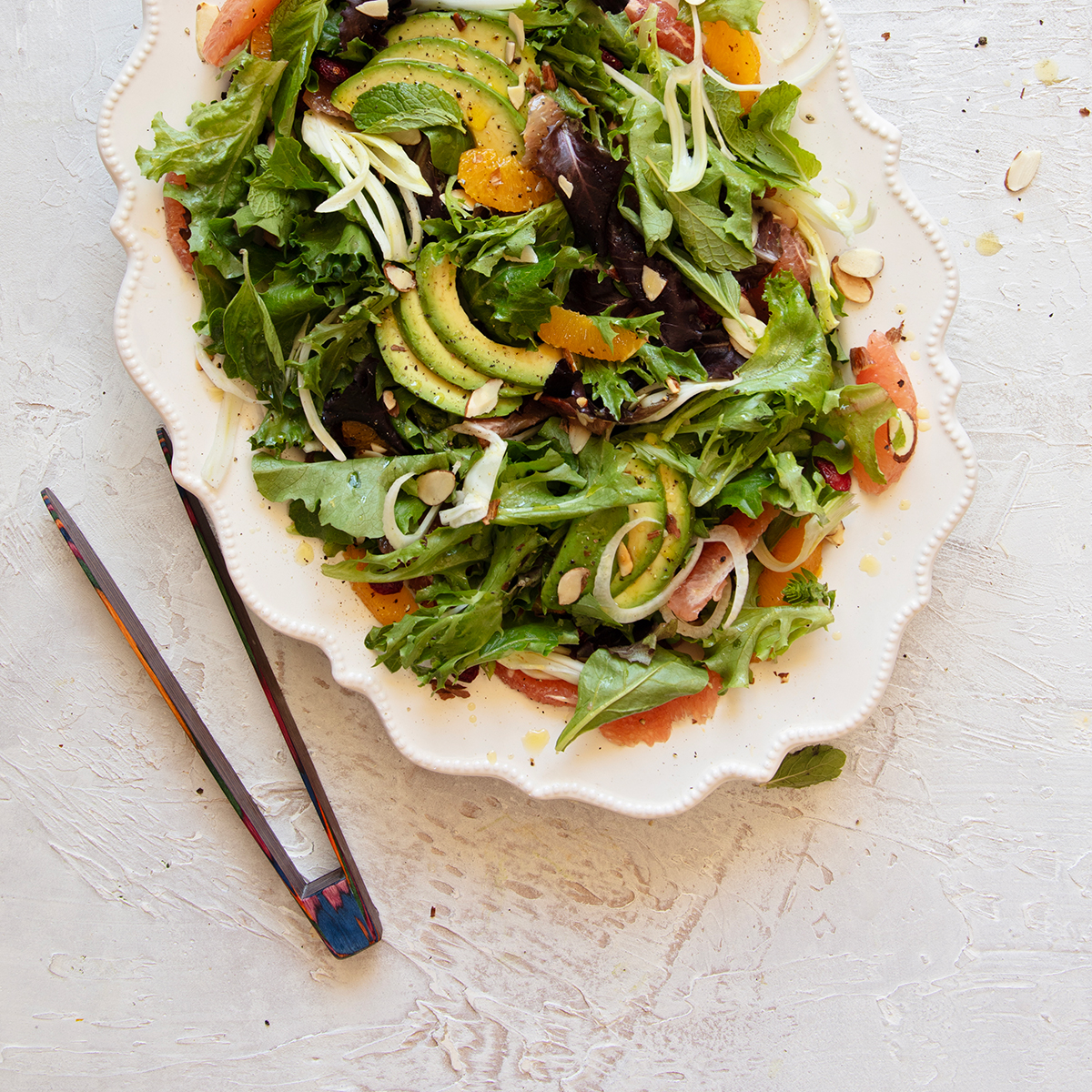
Avocados are ancient treasures with a wild past! These creamy fruits have been around for over 10,000 years and were originally much smaller— about the size of grapes—until giant ground sloths and other megafauna helped spread their seeds.
The thick skin of avocados protects against pesticides and contamination and has happily kept them off the Dirty Dozen list. However, we still recommend buying organic to ensure you’re getting the purest quality of this delightful fruit!
Get the Recipe: Citrus, Fennel, and Avocado Salad
Sign-up for {N}power to get exclusive discounts, newsletters, members-only features, and more!