Organic Month Facts

Here are some of our favorite reasons why we think supporting organic is better for your health, the environment, & the economy. 
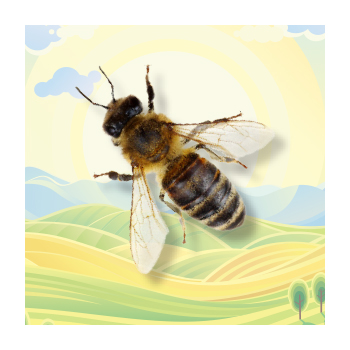
  1. Consider this: more than 1/3 of the world’s food production relies on bees for pollination. But there’s a band of toxins on the loose, and they’re called neonicotinoid insecticides. They’ve been implicated in the declining honey bee population. Bees
  2. Is organic better for the soil? That’s a big YES. Organic farming has been shown to increase soil health and microbial biodiversity!
  3. The USDA Organic Seal stands for the most strictly regulated food system in the U.S. It’s the only one that bans antibiotics, growth hormones, GMOs, synthetic fertilizers, and toxic, persistent pesticides. Independent inspectors routinely verify compliance—backing this seal with proof you can trust.
  4. 2,000 is the estimated number of synthetic substances that can be added to conventional packed foods! Many of these additives are declared “safe” by manufacturers without review by the Food and Drug Administration (FDA), the agency responsible for regulating food safety.
  5. SHRINK YOUR MENU’S CARBON FOOTPRINT WITH ORGANIC. Conventional farms emit almost 40% more greenhouse gases for every pound of crops produced compared to organic farms. And organic farms sequester up to 44% more soil carbon and use 45% less energy. Cup Of Organic Tea
  6. Are you sipping on toxins in your favorite cup of tea? The dehydration of botanicals used in tea can increase pesticide residues four-fold. Plus, water-soluble pesticide residues can infuse into your beverage. Let’s all enjoy a cuppa organic!
  7. Antibiotic-resistant bacteria are not something you want in your next burger or chicken sandwich. Choose organic to reduce your risk of encountering them! A 2021 study found that both the production and the processing of Certified Organic meat resulted in “significantly lower prevalence” of these unsavory microbes.
  8. A 2021 study comparing organic and conventional cocoa farms in Ghana measured six ways organic chocolate does it better: 26% more biodiversity, 27% greater gender equality, 20% higher profitability, 29% less water use, 24% less land degradation, and 22% lower greenhouse gas emissions.
  9. Childhood glyphosate exposure can follow you into adulthood! An 18+ year study found that, at age 5, a twofold increase in urinary AMPA—a glyphosate breakdown product— was linked to a 14% higher risk of elevated liver enzymes as an adult and a 55% higher risk of developing metabolic disorders. Organic says NO to glyphosate!Organic Tomatoes
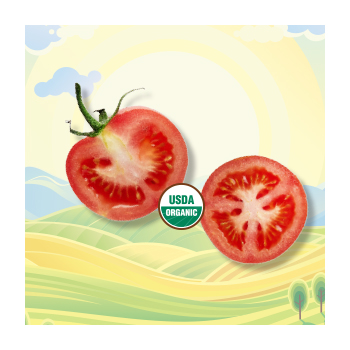
  10. 9.4 million tons of glyphosate have been sprayed on fields around the planet since 1974, according to the most current estimate from a 2016 study. The real number has likely grown significantly since then because glyphosate is the most-used agricultural chemical in history! Not by organic farmers, though—organic agriculture prohibits glyphosate.
  11. Occasionally, organic farmers must use a non-natural or non-organic substance, but only when other methods have failed and the need is critical. However, organic consumers can rest easy knowing the National Organic Standards Board strictly regulates the use of such alternatives. Every proposed input is thoroughly evaluated and allowed only if its use is safe for human health and the environment.
  12. Keep hearing that organic can’t feed the planet? Organic yields outperform conventional by 30% during periods of extreme weather, according to the long-running (40+ years) Rodale Farming Systems Trial.  And  yields for crops like corn and soybeans are similar under normal growing conditions.
  13. Synthetic fungicides, like the hormone-disrupting substances imazalil and thiabendazole, aren’t allowed in organic production. However, almost 90% of conventional citrus samples had residue of one or both, according to tests commissioned by the Environmental Working Group.  Organic Strawberries
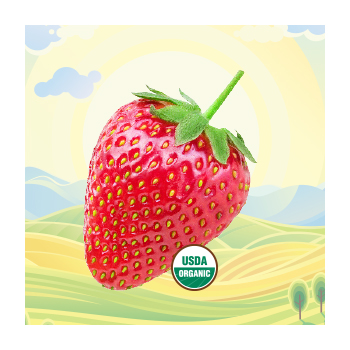
  14. 82 different pesticide residues—in various combinations — showed up on conventional strawberries in USDA tests. Organic strawberries do it better!
  15. Sunshine and blue sky aren’t genetically modified, and guess what else is always naturally Non-GMO? Organic produce!
  16. Eat organic for the climate.  Synthetic nitrogen fertilizer used in conventional farming is a major source of nitrous oxide (N2O) emissions—and N2O is a potent greenhouse gas. Organic farming releases 50% less new reactive nitrogen to the environment than conventional. It also recycles nitrogen through compost and manure.
  17. ‘Tis the season to enjoy cozy fall fruit—like pears. But the news on conventional varieties isn’t so sweet. In 2010, just 3% of pears had residues from five or more pesticides (per USDA tests). By 20212022, that increased to 61%. We’ll stick  with organic.
  18. 100% of the produce at Natural Grocers is USDA Certified Organic + 100% of our produce is naturally Non-GMO + We’re USDA-certified organic handlers. = There’s no risk of cross-contamination or co-mingling of your organic fruits and veggies while they’re on our produce racks. No worries...priceless!Natural Grocers Brand Organic Ketchup
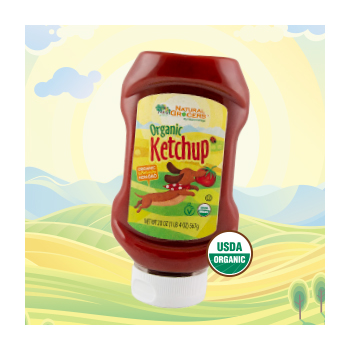
  19. Did you know...ketchup made from organic tomatoes has higher antioxidant content than ketchup made from conventional tomatoes?
  20. We know organic produce takes the cake (carrot cake, of course) for higher levels of nutrients that are good4u℠. The icing on top? It also has lower levels of unhealthy extras—like the toxic metal cadmium.
  21. Hey Chef—don’t season with pesticide residue! Six popular, non-organic spices were tested for pesticide residues. 24 different residues were found on 59% of the samples, and 46% of thyme and 10% of oregano samples exceeded the maximum allowed residue level!
  22. One of the largest dead zones in the world forms in the Gulf of Mexico every summer, and sometimes it’s as big as New Jersey! It’s called a dead zone because there isn’t enough dissolved oxygen in the water to support life, and one of the leading causes is chemical fertilizer runoff.
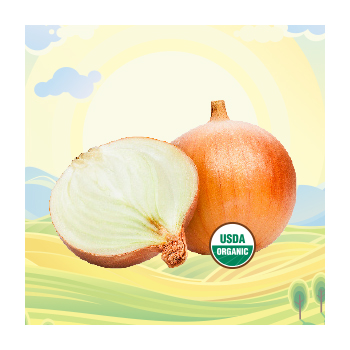
  23. Organic farming is good for the whole neighborhood. In organic “hot spots”— areas with lots of organic farming activity nearby—the median household income is rising too, by over $2,000!Organic Onions
  24. Onions are an excellent source of the flavonoids quercetin and anthocyanins—free radical scavengers that help maintain cellular health. But organic onions are even better! In a study comparing organic and conventional onions across six growing seasons, organic came out on top—with up to 50% more flavonoids!
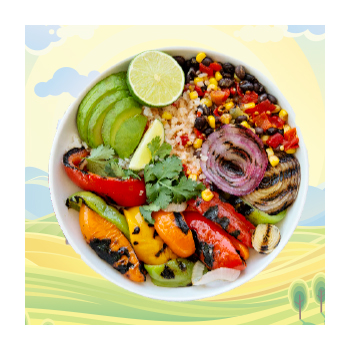
  25. Eat your nutrient-dense spinach—but make it organic! According to the Environmental Working Group, spinach has more pesticide residues by weight than any other fresh fruit or vegetable.Bowl of Grilled Vegetables
  26. Everybody wants the best pregnancy possible, and organic veggies—along with organic food generally speaking—are happy to help. Studies show that consuming them “often” or “frequently” is associated with markers of a healthy pregnancy.
  27. Synthetic pesticides don’t do little brains any favors. One study found kids with higher levels of organophosphate metabolites— breakdown products of this neurotoxic pesticide class—were twice as likely to be diagnosed with ADHD! Diet was the primary source of exposure.
  28. A CDC analysis found 87% of children and 80% of adults had detectable levels of glyphosate—the most-used herbicide in the U.S.—in their urine. Food was the main exposure route for kids. Choose organic to reduce glyphosate exposure.
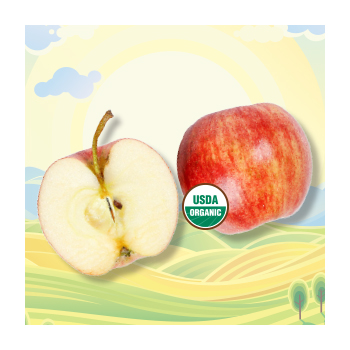
  29. Studies show switching to an organic diet significantly reduces pesticide metabolites in urine. One study found an 89% drop after participants ate an 80% organic diet for just one week!Organic Apples
  30. Eating organic gives you more nutritional bang for your buck! One major study found that organic fruits, veggies, and grains deliver 20 to 40% more antioxidants—the equivalent in nutrient density of two extra servings of produce a day.