 Preferred Store:
 My Account Sign-In




Sign-up for {N}power to get exclusive discounts, newsletters, members-only features, and more!
“The apple trees were coming into bloom but no bees droned among the blossoms, so there was no pollination and there would be no fruit."
—Rachel Carson, Silent Spring1
On a warm spring day, bees dance in the breeze and you can hear their symphony of buzzing as they float from flower to flower. Apples, peaches, and berries grow abundantly under the care of the honeybees who pollinate them. In fact, one out of every three bites of food we take is made possible by the work of pollinators like bees, butterflies, and bats. Humanity is inextricably intertwined with pollinators—our thriving depends on one another.
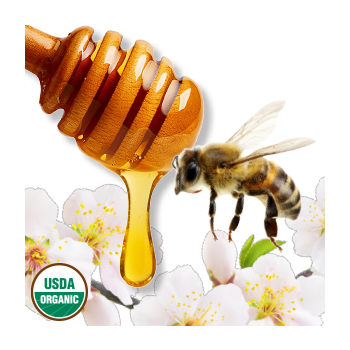
Honeybees are one of the most important pollinators in our food chain, and the honey they make is only the beginning. According to the USDA, as much as 35 percent of food and beverages we enjoy rely on or benefit from pollinators,2 but it’s not just our food that their pollinating impacts—pollinator-dependent plants are used in everything from medicines, to biofuels, to textiles, and construction materials.3 And between climate change, habitat loss, and conventional agriculture’s reliance on pesticides, pollinator populations are declining in unprecedented numbers worldwide. Last year the Apiary Inspectors of America recorded a 55 percent loss of managed honeybee colonies in the U.S., with losses increasing every year since 2010, when they first started tracking.4 Pesticides pose one of the biggest threats to pollinators.
Pollinators are dying in droves, and one of the biggest culprits is the widespread use of pesticides, especially neonicotinoids. Neonicotinoids (neonics) are the most widely used class of insecticides globally and are especially dangerous to bees. They are systemic, meaning they are absorbed through plant roots and spread throughout the whole plant, including the fruits and vegetables they produce. This also means neonics cannot be washed off. Neonics are rampant in conventional agriculture, including their use on two of the U.S.’s largest crops, corn and soybeans. Neonics kill indiscriminately—not only targeted insects, but all insects that come into contact with it, including pollinators. When bees are exposed, even to non-lethal doses, their nervous systems shut down, immune function is impaired, navigation and other critical systems are harmed, and eventually it leads to their death.5 Neonics also leach into the soil and surrounding water, endangering countless wildlife in addition to pollinators, from birds and fish, to deer.6 7 But it doesn’t have to be this way!
Buzzing with biodiverse life from the ground up, organic farms provide a place for pollinators to thrive. Organic agriculture is not just about what you’re keeping out of the environment, it’s also about what you’re putting in. Not only do organic standards prohibit the use of synthetic pesticides like neonics, they also encourage pest management strategies that encourage pollinator habitat and health. These include practices like cover cropping where non-harvested plants like clover are sown between harvests to improve soil health and offer food and habitat to pollinators. Studies have shown that organic methods can reverse pollinator decline, lead to higher crop yield, and lead to fruit and vegetables that contain higher levels of antioxidants and other nutrients—it’s a win-win-win!8 9 10 The only thing sweeter than honey is choosing organic!
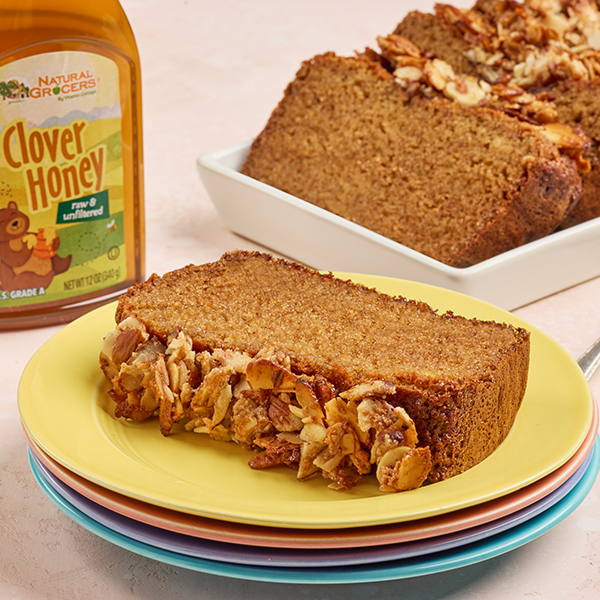
This almond flour coffee cake is the perfect balance of honey, vanilla, and almond. It is super moist and fluffy, with just enough sweetness, and pairs perfectly with a hot cup of coffee or tea. A delicious little treat!
Sign-up for {N}power to get exclusive discounts, newsletters, members-only features, and more!