 Preferred Store:
 My Account Sign-In




Sign-up for {N}power to get exclusive discounts, newsletters, members-only features, and more!
Each year, Natural Grocers' Nutrition Education team collaborates with our purchasing and analytics teams to investigate rising and shifting trends in the world of natural health, wellness, and sustainability. These are our predictions for 2026.

The past few years have seen an explosion of AI chatbots and database-driven nutrition apps, many of which claim to help consumers make healthier choices by giving dietary advice. While these tools may seem convenient, they can’t match the insight and personalization of human nutrition experts.
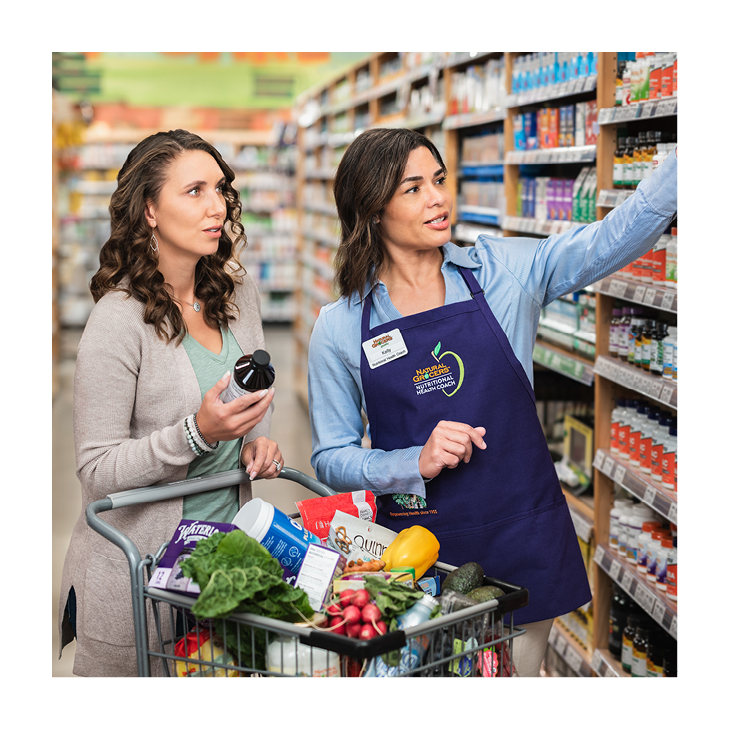
Digital tools struggle to account for the nuanced factors that shape real-world health decisions, like culture and personal history,1 and as a result, often produce generic, one-size-fits-all recommendations.2 3 And because these tools are trained by humans and the datasets they feed them, their programming can reflect built-in biases, sometimes leading to inaccurate, and even harmful, guidance.4 5 A 2024 study published in the journal Nutrients found that ChatGPT gave appropriate nutrition advice only 55 to 73 percent of the time when addressing a single health condition, and performed even worse with more complex cases.6
Human nutrition experts offer a two-way conversation grounded in empathy, critical thinking skills, and up-to-date research. Most importantly, their guidance is tailored to you and your goals. When it comes to making lasting changes to your health, there’s no digital substitute for a relationship with a real-life nutrition professional.
Try this trend:
Book a Free Coaching Session or Personalized Shopping Experience with a Nutritional Health Coach!
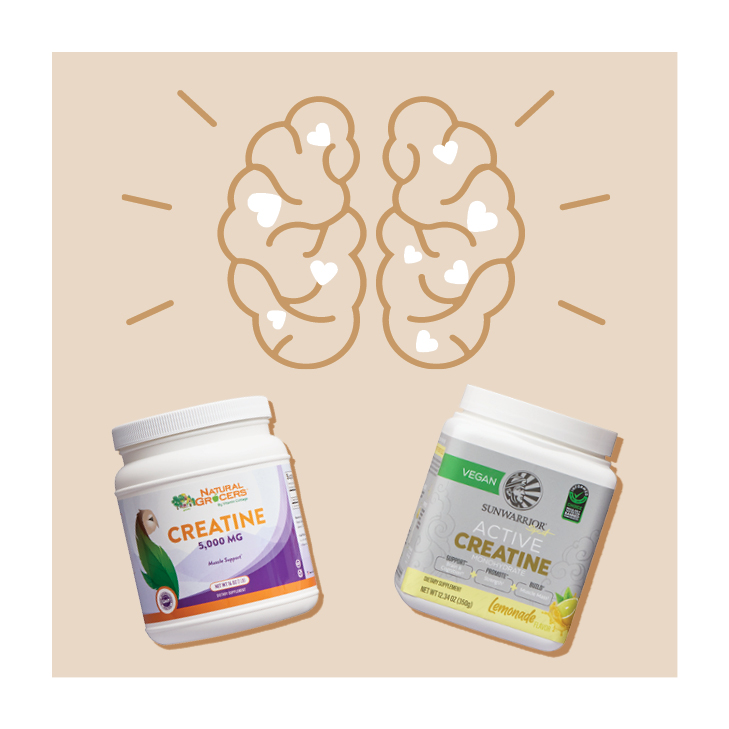
Creatine has long been seen as a sports supplement predominately used by athletes, bodybuilders, and fitness enthusiasts to enhance muscle performance, strength, and recovery. But in 2026, this will change as we recognize that creatine’s benefits extend far beyond sports nutrition.
Research is clearly demonstrating that creatine supplementation has brain and whole-body health benefits, making it more than a sports nutrition supplement. It supports cognitive function (especially when you are under stress or mental fatigue), mood balance, healthy heart and blood vessel function, muscle mass and bone health maintenance, reproductive function, hydration, robust immunity, and more!7 8 9 10 11 12 In 2026, creatine won’t just be for the fitness crowd anymore, but for anyone looking to support whole-body, vibrant health.
Shop this trend: Check out these latest trend-inspired products found at your local Natural Grocers
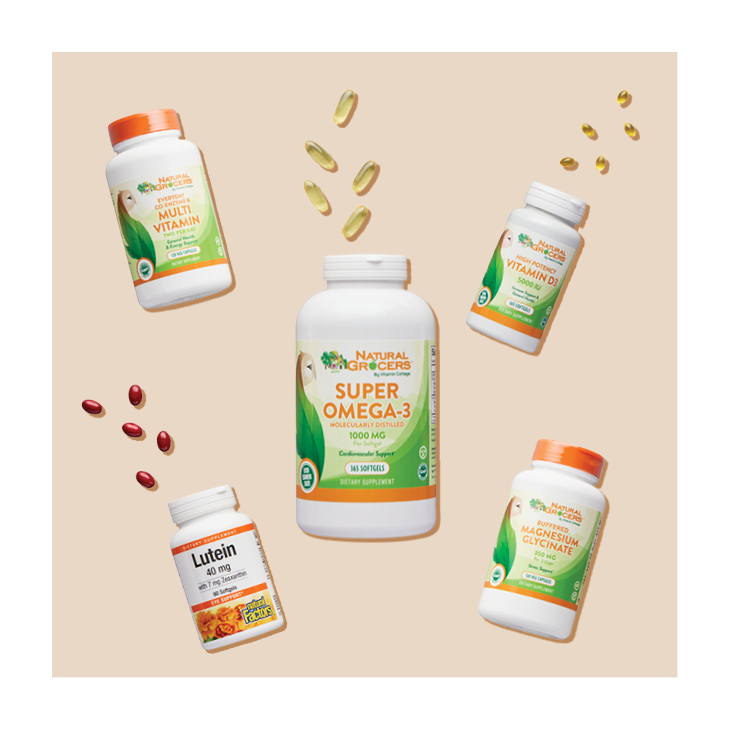
Good health starts with giving your body what it needs to function at its best, but in today’s world, that’s not always easy. Even with a balanced, nutrient-dense diet, modern life can work against us: chronic stress, depleted soil, and environmental toxins can all drain our nutrient reserves over time. That’s why, in 2026, we’ll focus on smart, targeted supplementation. The best part? You can hack your nutritional needs and fill in nutritional gaps with just five foundational supplements.
It begins with four essentials, that together, cover whole-body health: a daily multivitamin to cover all the nutritional bases; vitamin D for immune, brain, cardiovascular, and bone support;13 magnesium for sleep, energy production, and to aid muscle and nerve function;14 15 16 and fish oil (EPA and DHA) for heart, joint and skin health, mood and cognition, and a balanced inflammatory response.17 18 From this foundation, choose your super nutrient (or two) tailored to match your personal wellness goals. Think lutein for glowing skin and eye and brain health, milk thistle for liver function, or beet crystals for healthy blood pressure, memory, and energy. Meet with a human nutrition professional to help pick the super nutrient that will optimize your health.
Shop this trend: Check out these latest trend-inspired products found at your local Natural Grocers

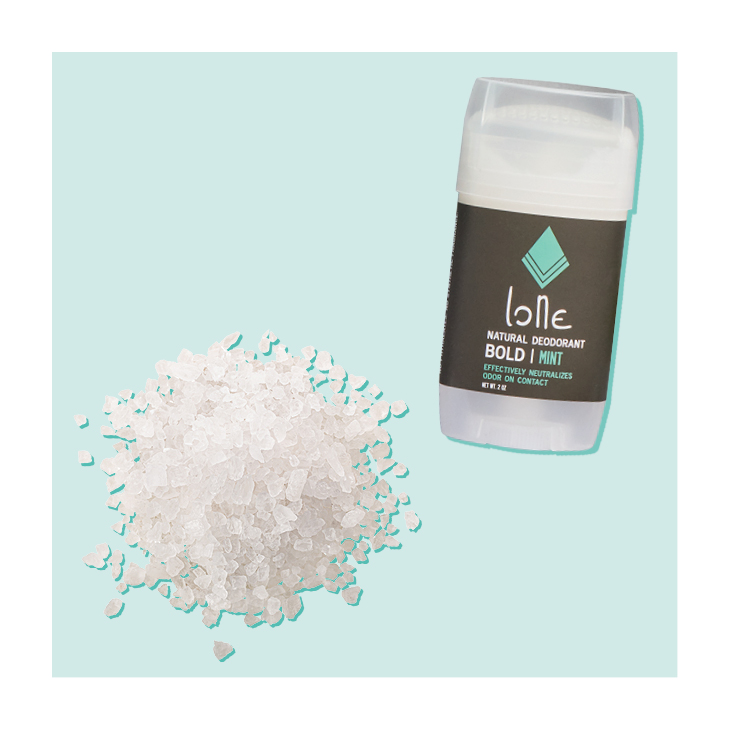
Known for supporting calm, steady energy and overall wellbeing, magnesium has a well-earned reputation as the “relaxation” mineral.19 20 This year, we’re taking magnesium’s restorative powers beyond the supplement bottle and introducing it into our body care routine—magnesium-infused body lotions, sprays, bath salts, and deodorants to help us feel (and smell!) our best, from the outside in.
We’ll take advantage of topical magnesium lotions, sprays, and gels to target sore, overworked muscles;21 we’ll discover that magnesium-enriched deodorant—especially those that use Dead Sea salts high in naturally-occurring magnesium—effectively neutralizes stinky armpit odor;22 and we’ll bring the spa to our own bathtubs with Epsom salts—these magnesium-rich crystals have long been used to soothe muscles and promote calm and ease.23 Magnesium isn’t just a supplement anymore—it’s our new favorite body care ingredient!
Shop this trend: Check out these latest trend-inspired products found at your local Natural Grocers
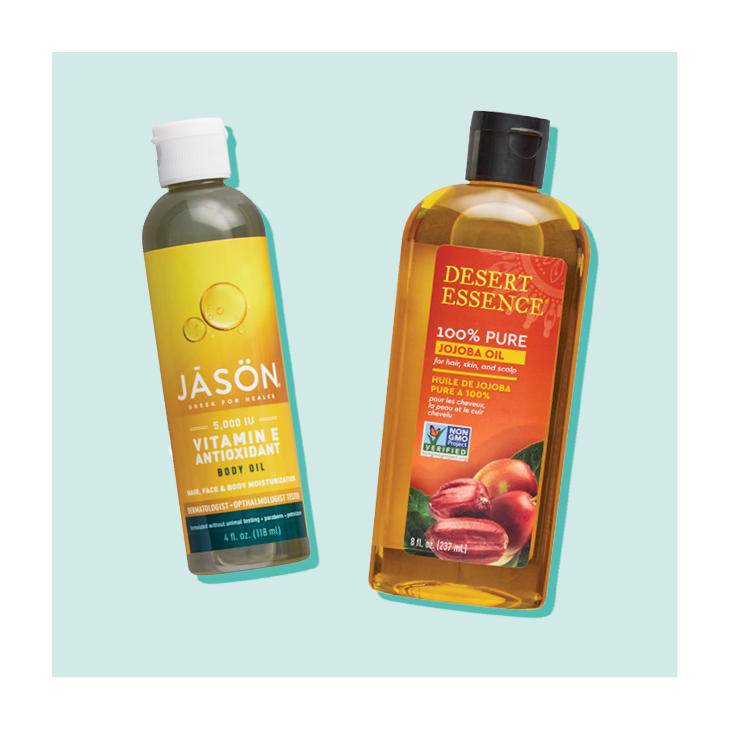
A few years ago, not many of us had heard of skin barrier health, but after a few viral posts on social media, skin barrier health has become a mainstream must in skincare. In 2026, we’ll go back to the basics with vitamin E and jojoba oil, not only for enhancing skin barrier function, but for deeply moisturizing and revitalizing dull, dry skin.
Vitamin E is an antioxidant that bolsters skin’s natural defenses, helping to prevent photoaging, rejuvenates dry skin, and can help soften the appearance of fine lines and wrinkles by improving elasticity and hydration,24 25 while jojoba oil closely mimics our skin’s natural oils, making it fast-absorbing and suitable for all skin types.26 27 It’s also rich in fatty acids, has the highest concentration of ceramides, and has been shown to reduce inflammation in human skin cells,28 all of which promote healthy skin barrier function.29 Maintaining a healthy skin barrier is important because its main job is to keep harmful things, like pollution, out, and good things, like moisture, locked in. Using these tried-and-true oils, you will experience skin with improved texture and radiance in the short term, and more resistant to aging in the long term.
Shop this trend: Check out these latest trend-inspired products found at your local Natural Grocers

Shower, rinse, dry, slather on lotion—our daily self-care rituals can often feel more like chores than moments of joy. But this year, we’ll energize our routines through texture and scent by using skin and body care products that take us on a sensory journey. We’ll indulge in playful textures found in oil-to-milk cleansers, exfoliating scrubs, creamy, whipped, and cloud-like body butters, fizzy bath bombs, and foamy bubble baths. Products like hydrating facial mists and peppermint and eucalyptus-infused lotions and body washes will add a cooling touch that refreshes and revitalizes, while essential oil body sprays and roll-ons will bring the benefits of aromatherapy, helping us reset, uplift, or unwind. These are all small, but mighty, indulgences that allow us an affordable escape.
And because what’s in our products matters just as much as how they make us feel, we’ll choose formulas made with clean, nourishing ingredients that are free from artificial fragrances, synthetic colors, and harsh chemicals. Say goodbye to simply going through the motions, and hello to moments that are a true sensory treat.
Shop this trend: Check out these latest trend-inspired products found at your local Natural Grocers
- Natural Grocers Brand Jasmine Rose Bath Bomb 5 oz
- Natural Grocers Brand Fresh Lavender Sugar Body Scrub 8 oz
- Aura Cacia Chill Pill Calming Essential Oil Blend Roll-On 0.31 oz
- Cocokind Oil to Milk Cleanser 2.9 oz
- Pranarom Organic Glow Radiant Facial Mist 4 oz
- Dr Bronners Organic Peppermint Hand & Body Lotion 8 oz
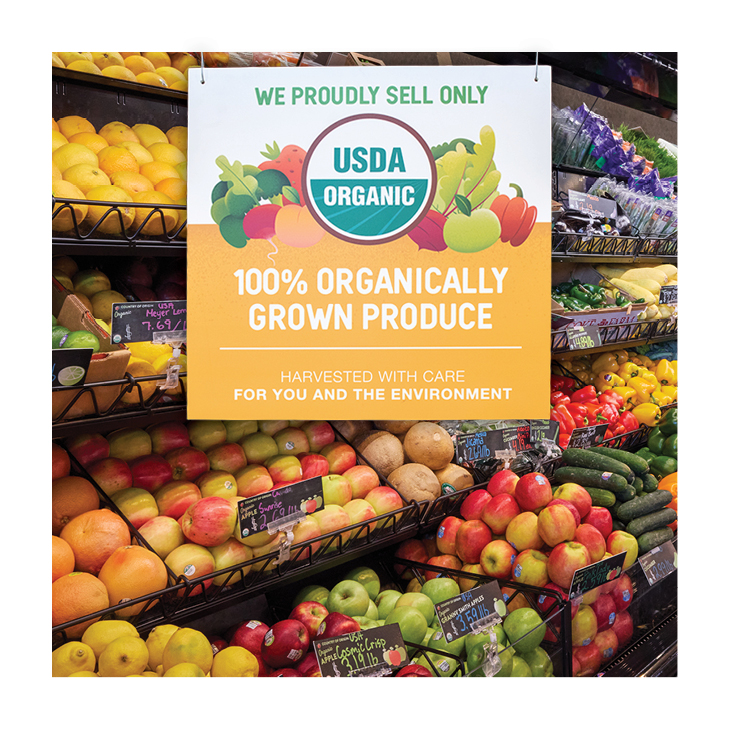
In recent years, we’ve become more aware of problematic ingredients lurking in our food (hello, red dye #40),30 31 and as a result, demand for “clean” and “natural” foods is at an all-time high. This is great, but we’re also realizing that these terms are vague at best, misleading at worst. Lacking regulation and clear definitions, they ultimately provide little assurance about what we’re actually eating. That’s why, in 2026, more of us will put our trust in the USDA organic seal, which truly delivers on the promise of cleaner food—for the entire life cycle, whether plant or animal, from how it is grown to how it is processed.
The USDA organic label is backed by strict federal regulations and clear standards, which prohibit the use of synthetic pesticides and fertilizers, genetically modified organisms (GMOs), and synthetic ingredients like artificial flavors, preservatives, and colors in the final product. Indeed, it is the only standard that regulates food for the entire life cycle, regulating every substance that goes into the food, from seed to finished product.32 33 Unlike the “natural” label, the USDA organic label sets the bar for what clean eating should be.
Shop this trend: Check out these latest trend-inspired products found at your local Natural Grocers
- Natural Grocers Produce Department is 100% Organic
- Natural Grocers Brand Organic Breakfast Blend Ground Coffee, 10 oz
- Natural Grocers Brand Organic Teriyaki Beef Jerky, 3 oz
- Natural Grocers Brand Organic Three Lentil Soup, 14 oz
- Natural Grocers Brand Organic Pasture-Based Eggs, 12 ct
- Natural Grocers Brand Organic Fire Roasted Crushed Tomatoes, 28 oz

Watch this short video that takes us inside the growing and production practices of Natural Grocers Brand Organic Canned Tomatoes’ supply partner.
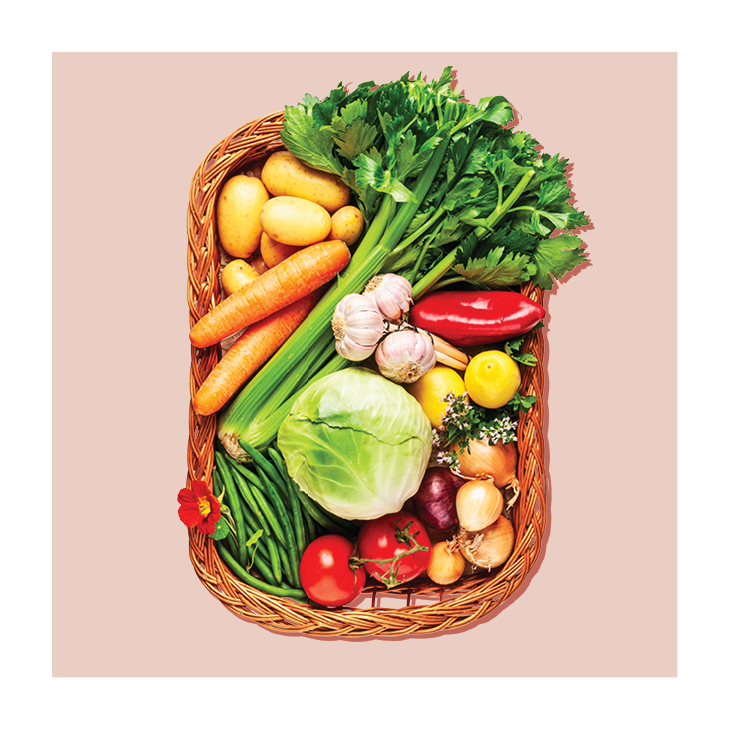
In 2026, we’re going to eat more carbs—in the form of vegetables, because the quality of the carbs you eat matters, a lot. Following a large study published in 2025, showing that the quality of carbs you eat in midlife determines how well you will age, we will fill our plates with vegetables, one of the very best sources of high-fiber carbohydrates. The study, published in the journal JAMA Network Open, including 47,513 women, found that women who ate diets rich in high-quality, high-fiber carbs, including vegetables, fruit, whole grains, and legumes, were more likely to stay healthy as they aged compared to those who did not. The study defined healthy aging as being free from cancer, type-2 diabetes, and heart failure, and maintaining good mental health and cognitive function. On the flip side, eating a lot of low-quality carbs—sugar, refined grains, and potatoes—lowered women’s odds of staying healthy as they aged.34 Eating more vegetables can make you happier, too! A previous study found that people who increased their consumption of vegetables (and fruit) reported increased happiness, life satisfaction, and wellbeing.35 Like mom always said, “Eat your veggies!”
Shop this trend: Check out these latest trend-inspired products found at your local Natural Grocers

Let’s be real, we’re all eating on a budget these days, and it can often feel like choosing between your health and your wallet. In other words, to eat affordably can mean relying on processed, nutrient-poor foods that do little to support health and wellbeing. But it doesn’t have to be this way. This year, we’ll say goodbye to that status quo. With a few simple strategies, we’ll enjoy meals that fit our budget, without sacrificing nutrition or flavor.
This will look like cooking more at home and building meals around budget-friendly, but nutrient-dense, foods. Think in-season produce, pantry staples like bulk beans, lentils, and whole grains, and canned and frozen minimally processed vegetables and fruit. We’ll get savvy at reducing food waste by meal planning, properly storing and using all parts of the produce, and freezing and repurposing leftovers, such as using the bones from a whole roasted chicken to make stock for future soups and stews. We’ll also find creative, healthy ways to stretch pricier ingredients, like meat, further; for example, bulking up a hearty chili or meat sauce by mixing in chopped vegetables, boosting nutrients and taste at the same time.
Shop this trend: Check out these latest trend-inspired products found at your local Natural Grocers
- Natural Grocers Brand Organic Frozen Mixed Berries,16 oz
- Natural Grocers Brand Bulk Organic Green Lentils, 2 lb
- Natural Grocers Brand Bulk Organic Steel Cut Oats, 2 lb
- Natural Grocers Brand Bulk Organic Wild Rice Blend, 1 lb
- Good Culture Organic 4% Milkfat Whole Milk Classic Cottage Cheese,16 oz
- Contented Hen Large Grade A Free Range Brown Eggs 12 ct

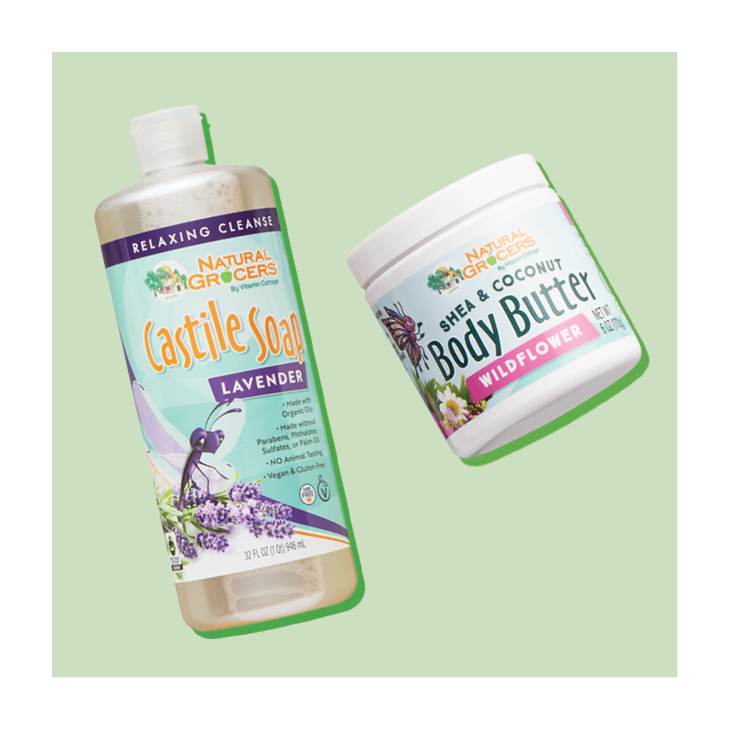
Whether we’re driving to work, taking a walk, playing with the kids, or cleaning the house, most of us emit a chemically laced personal plume—a cloud of invisible airborne chemicals from our daily personal care and cleaning routines. While car exhaust has long been known as a major source of air pollution, growing evidence shows that the personal care and cleaning products we use can be just as guilty. In fact, a recent study found that volatile organic compounds (VOCs) released from these products now rival, and sometimes outpace, VOC emissions from cars.36 VOCs contribute to ozone and particulate matter, two major pollutants that affect both air quality and our health.37
What’s behind these VOCs? Ingredients like artificial fragrances, glycol ether solvents, cyclic siloxanes, and petroleum-based substances commonly found in conventional lotions, shampoos, deodorants, air fresheners, and household cleaners, to name a few. With this in mind, in 2026, we’ll make the switch to products that are more ecologically thoughtful and better for human health, because research shows that switching to products that are less toxic has real potential to reduce our environmental footprint and our exposure to health-harming substances.38
Shop this trend: Check out these latest trend-inspired products found at your local Natural Grocers
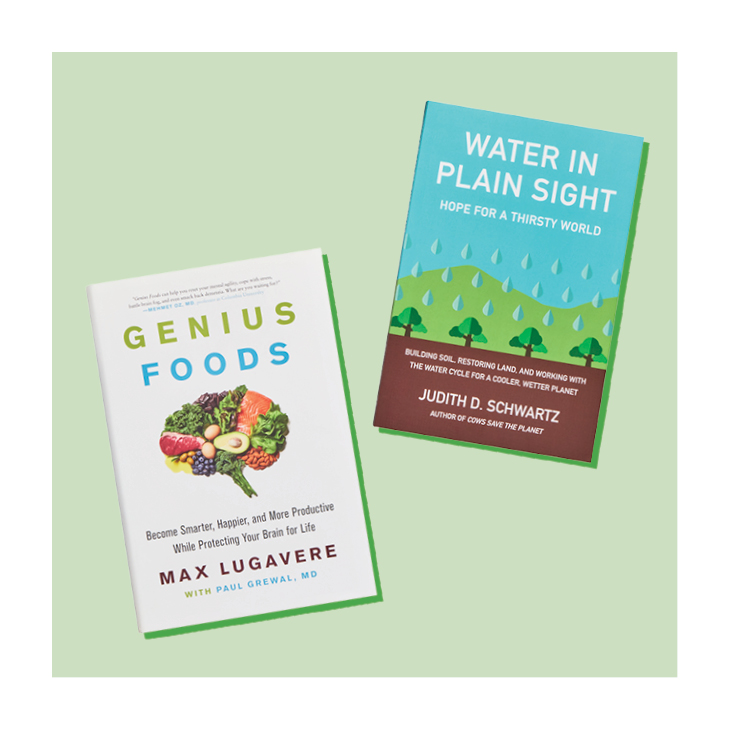
Artificial intelligence (AI) has become increasingly woven into our daily lives, but this “convenience” comes at a steep environmental cost. Though AI operates in the virtual world, it runs on physical infrastructure that consumes enormous amounts of resources.39 Data centers built by tech giants like Meta and Elon Musk’s xAI use massive amounts of electricity and water to power AI workloads, straining ecosystems and the communities that depend on them.40 41 According to a report by MIT, “researchers have estimated that a ChatGPT query consumes about five times more electricity than a simple web search.”42 In San Antonio, TX, two data centers used 463 million gallons of water in 2023 and 2024, the equivalent of tens of thousands of households. This, while the region is gripped in a long-term drought and whose residents are told to conserve water.43
And the negative impacts don’t stop at the environment—AI may also be reshaping how we think. Initial research is finding that heavy reliance on tools like ChatGPT can erode essential cognitive skills like critical thinking, creativity, and problem-solving.44 34 46 When we delegate too much to AI, we risk dulling the very faculties that define us as human. This year, as we continue to learn about the real environmental and cognitive damage caused by AI, we’ll think twice before using it. Hot tip: to omit AI results from a simple web search, simply type -ai at the end of your search phrase.
Shop this trend: Check out these latest trend-inspired products found at your local Natural Grocers

It seems every time we check the news there’s another headline about a “once-in-a-lifetime” flood or another community devastated by wildfire. It’s becoming clear that these increasingly frequent extreme weather events aren’t just bad luck, but symptoms of a planet losing its ecological resilience. And industrial agriculture is a major driver of this problem.
But in 2026, we’ll begin to understand that organic and regenerative agriculture, supported by our everyday food purchases, holds the potential to create climate resilience and even reduce greenhouse gas emissions. By prohibiting synthetic pesticides and fertilizers, rotating diverse crops, minimizing soil disruption, keeping the ground covered, and integrating animals on land in the right way, these farming methods not only protect soil, they rebuild it.47 The outcome is healthier soil with better water retention, more carbon stored safely in the ground, and thriving biodiversity.48 49 In short, it’s how we rebuild ecological resilience and cultivate a planet better equipped to not only withstand climate extremes, but help restore climate health.
Shop this trend: Check out these latest trend-inspired products found at your local Natural Grocers
- Thousand Hill Regenerative 100% Grassfed Ground Beef 80% Lean/20% Fat (gold), 16 oz
- Alexandre Farms Regenerative Organic Cream-top 100% Grassfed A2/a2 Whole Milk, 28 oz
- Lundberg Regenerative Organic Short Grain Brown Rice, 32 oz
- Ancient Nutrition Regenerative Organic Turmeric Capsules, 90 Cap
- Reindeer Chronicles by Judith Schwartz
- Cows Save the Planet by Judith Schwartz
Diversity is nature’s blueprint for health. Just compare a vibrant coral reef teeming with life to a dead zone caused by pollution. Or feel the difference between the rich, living soil of an organic farm and the powdery dust of a barren monocrop field. The same principle applies to societal health and starts with our individual attitudes, which can affect our personal wellbeing in meaningful ways.
In 2026, we’ll welcome those who are different from us and engage with diverse cultures through travel, food, friendships, or simply staying curious. This will strengthen empathy, build community, and promote a sense of belonging.50 51 Research also shows that multicultural experiences can increase creativity, mental flexibility, and even predict success in the job market.52 53 Conversely, harboring prejudice doesn’t just sow division—it can heighten daily stress, impair cognitive function, and even raise the risk of dying from cardiovascular disease.54 55 56
At Natural Grocers, commitment to community is one of our Five Founding Principles. That means we aim to foster a welcoming, inclusive space where diversity is celebrated, and hate has no home. By nurturing an ecosystem that is rooted in care and respect for everyone, we believe that together, we can create a healthier and more peaceful world for us all.

Some things run in the family—like curiosity, compassion, and a welcoming nature. Margaret Isely’s great-granddaughter, shares her birthday with Margaret, and though they never met, she carries forward Margaret's vibrant, caring spirit for generations to come.
Sign-up for {N}power to get exclusive discounts, newsletters, members-only features, and more!