 Preferred Store:
 My Account Sign-In







Sign-up for {N}power to get exclusive discounts, newsletters, members-only features, and more!
Stress. Sometimes it’s insidious, creeping up on you while you’re sitting in traffic, causing your blood pressure to rise and your jaw to clench. Or it can hit you like a ten-ton truck, such as in the event of becoming unemployed or a sudden illness, knocking you off your feet and leaving you feeling like you may never recover.
If black seed oil were a cartoon superhero, it would save the world with its signature super phytonutrient constituent, thymoquinone, a powerful free radical scavenger.
Garlic has long been praised as a protector by various cultures.
“We seek to empower the fertilizer industry to nourish our world.”1 This is the “mission and vision” of The Fertilizer Institute, the industry’s leading trade association in the United States.2 Yet, the data suggests our world is dangerously over nourished by fertilizer, especially the synthetic nitrogen variety.
In today’s world, few of us are immune to chronic stress.
Orange, crimson, gold… colors everywhere. Elm trees and birch trees, maple, oak, and aspen—wearing their finest foliage, casting a spell that only nature can. It’s for children laughing in piles of fallen leaves, squealing their excitement in bright pumpkin patches, or between the tall stalks of corn mazes. It’s for…
This Think Wisely is all about discovering new products and revisiting old favorites, but they all have this in common—they’re Certified Organic. Because, for the love of our health, our soil, biodiversity, and the planet’s future—we support organic.
At Natural Grocers, we strongly believe that our food choices have the potential to affect real change. It’s one of the reasons we’re in this business. We know that the way food is raised matters and this is no truer than with beef.
Clear, smooth, glowing skin. We all want it, and there’s nothing wrong with wanting to look your best.
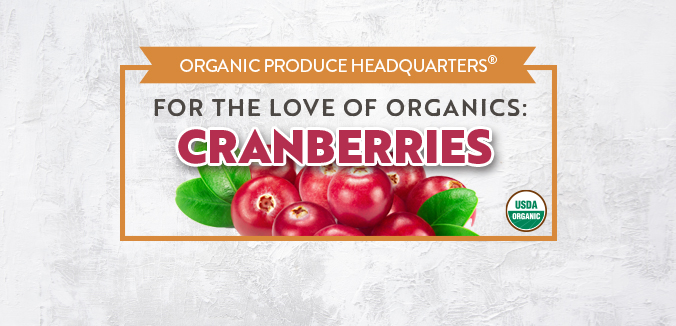
Like a sea made of a million vibrant red orbs glistening in the water, a cranberry bog is a remarkable sight at harvest time. These little berries are pretty remarkable on their own too!
"Data centers are “the largest single points of consumption of electricity in history."
— Jesse Jenkins, Princeton climate modeler, speaking to The Atlantic in 20261
We all know how important getting our daily steps in is for overall health, but for those of us with desk jobs or who spend much of the day sitting, it’s natural to wonder: do those long stretches of sedentary time cancel out the benefits of the steps we do take?
Sign-up for {N}power to get exclusive discounts, newsletters, members-only features, and more!